


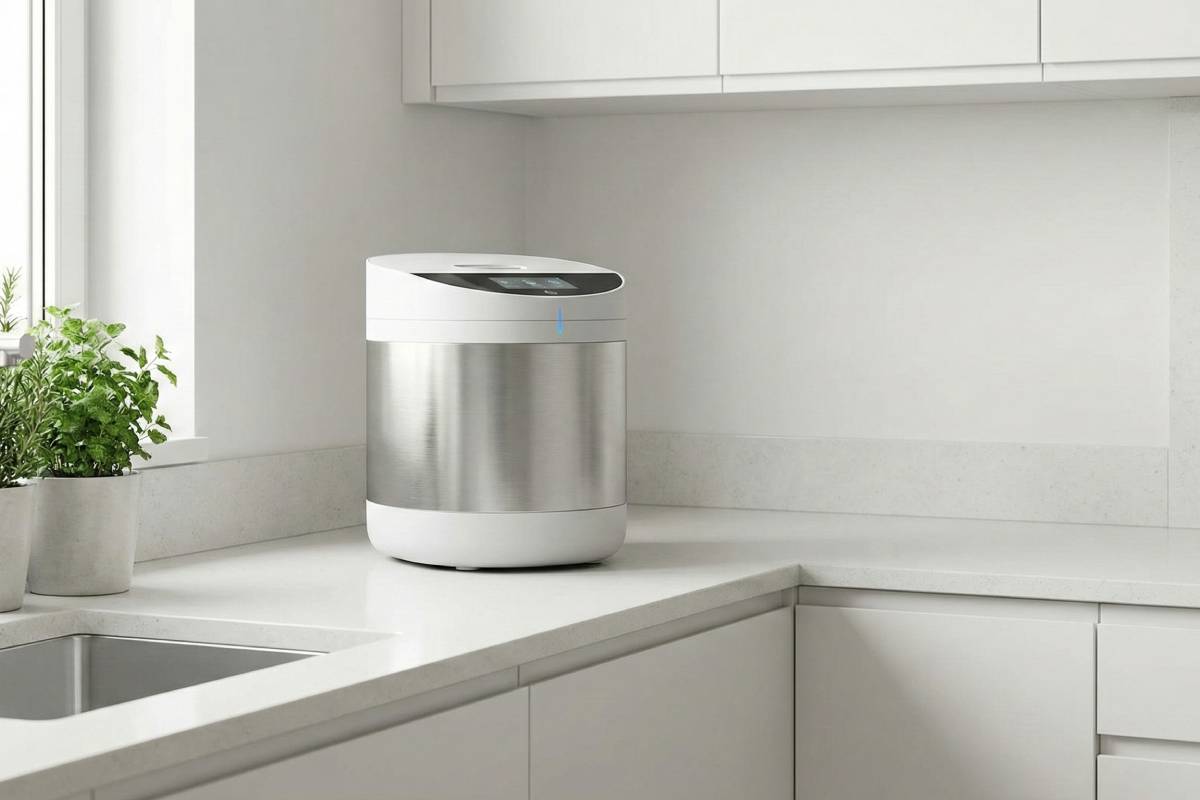
Food waste is one of the biggest contributors to household trash. In cities and urban homes, many people struggle with what to do with kitchen scraps: tossing them into the garbage means sending them to landfills, where they decompose anaerobically and generate harmful methane gas. But what if you could turn those food scraps from your kitchen into something useful and eco-friendly right inside your home?
Enter the world of electric indoor composters — innovative kitchen appliances designed to make composting fast, clean, and accessible for any household. For eco-conscious families, urban apartment dwellers, and anyone with limited space, indoor electric composters provide a compelling alternative to traditional outdoor compost pits or bins.
This comprehensive article explores how these composting machines work, their advantages and disadvantages, and how to decide if they’re right for your home and lifestyle.
What Is an Electric Indoor Composter?
An electric indoor composter is an appliance that uses microbes, warmth, mixing mechanisms, and controlled airflow to break down organic kitchen waste into a soil amendment or dry material that can later be used as compost or added to soil mixes. Unlike traditional composting, which can take months and requires space, electric composters drastically speed up the process — sometimes taking just a few hours or maybe a few days to reduce your food waste by turning it into usable compost.
These models are designed to be sealed, odour-controlled, and easy to use, operating year-round regardless of weather or outdoor space availability.
Advantages of Electric Kitchen Composters
Electric indoor composters offer many benefits — especially for modern households that want efficient, clean, and sustainable food waste management.
1. Significant Waste Reduction
Electric composters dramatically reduce the volume of food waste. They can process daily kitchen scraps — such as fruit peels, vegetable trimmings, coffee grounds, and even some cooked foods — into an end product that can be used in plant pots, garden beds, or deposited outside in community garden areas as compost. This means fewer trash bags, less landfill waste, and a smaller carbon footprint.
2. Odour-Free and Pest-Free
Traditional compost bins can sometimes smell or attract pests like flies or rodents if not managed properly. Electric indoor composters are sealed units with carbon filters or similar odour control systems, so unpleasant smells are trapped inside. They also don’t leave food scraps accessible, which means pests are not attracted.
This makes them perfect for indoor use, even in kitchens or living spaces.
3. Fast and Efficient Processing
Electric composters work quickly. Some advanced models use microbes, warmth, aeration, and mixing to break down food scraps in a matter of hours or days instead of months — a huge advantage over traditional outdoor compost piles.
This speed is a game-changer for people who want composting results frequently and without the wait.
4. Easy to Use and Low Maintenance
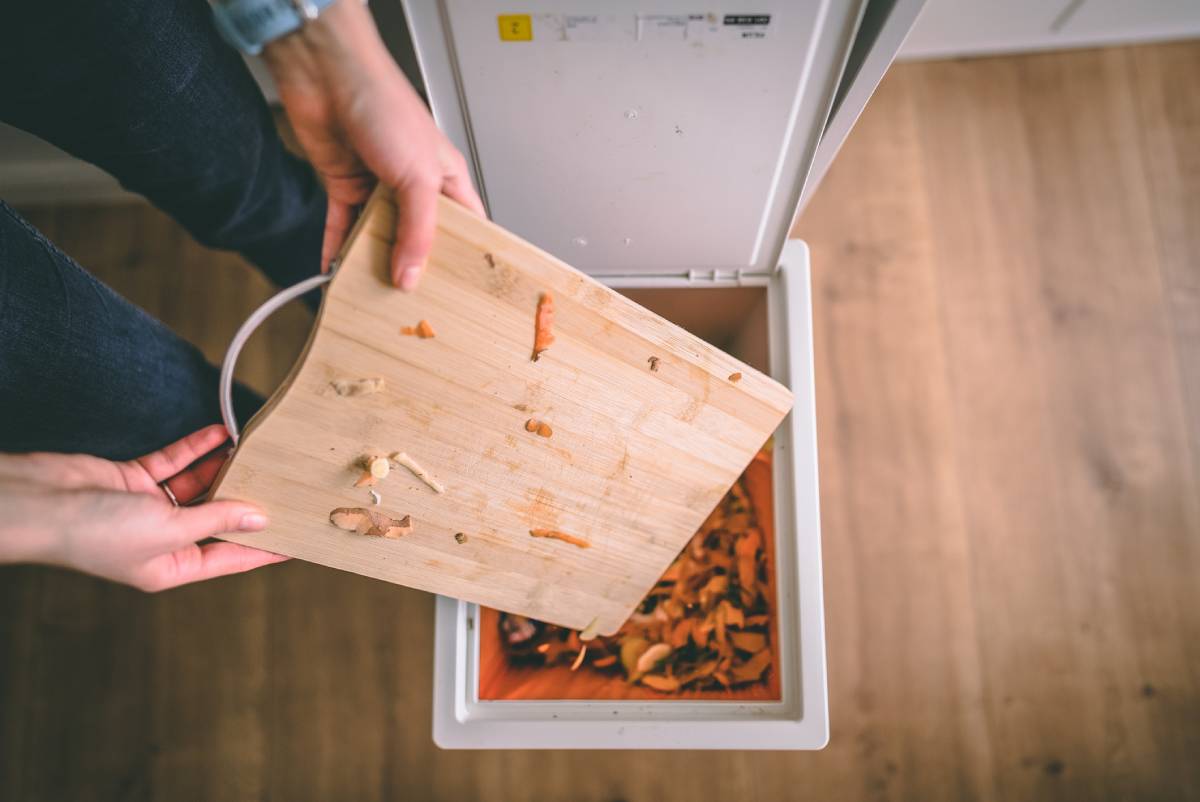
You don’t need composting expertise to use an electric composter. Simply add your kitchen scraps to the machine, and let it work automatically. There’s no need to worry about balancing carbon and nitrogen, turning the pile, or maintaining specific moisture levels. Just keep adding your scraps daily, then when it is nearly full, keep scraps in a ziplock bag or container for a few days, then harvest your compost and start the process again.
5. Indoor and All-Season Composting
Unlike outdoor compost piles that slow down in cold winters or rainy seasons, electric composters function year-round and are unaffected by weather conditions.
Urban residents in apartments or condominiums often lack outdoor space — electric composters fill that gap by allowing composting inside the home with no mess.
6. Promoting a lifestyle that reduces environmental impact
Using an electric kitchen composter not only reduces your waste — it also changes habits. When people see how much food they throw away, it often inspires them to plan meals more carefully, reduce over-purchasing, and live more sustainably.
7. Producing valuable soil amendment material
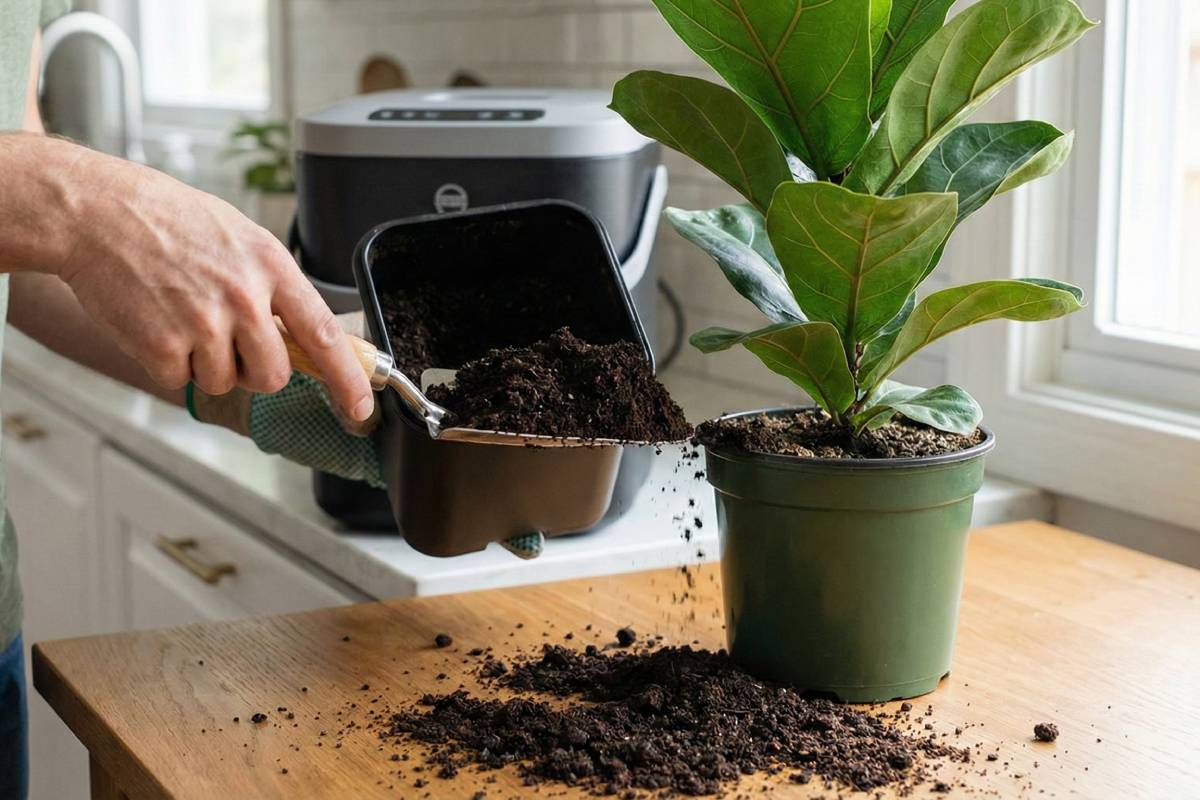
The material that comes out of the composter, though sometimes drier than traditional compost, can be mixed into potting mixes, garden soil, or used as a soil amendment for houseplants. This nutrient-rich output supports plant growth and soil health.
Disadvantages and Limitations of Electric Indoor Composters
While electric composters come with many benefits, they also have limitations. Understanding these will help you decide if one is right for your kitchen.
1. Higher Initial Cost
Electric composters are more expensive than simple outdoor compost bins or DIY compost systems. A quality electric composter can range quite broadly, compared with a compost pile that costs virtually nothing.
Consideration: This can be viewed as a long-term investment for households, helping to reduce waste management costs and promote efficient use of resources.
2. Electricity Consumption and Operating Costs
Electric food waste disposal machines require electricity to operate, which may result in additional household expenses depending on usage. Although some models are designed to be energy-efficient compared to other kitchen appliances, it is still important to consider the overall increase in electricity costs. In addition, if the electricity used comes from non-renewable energy sources, the environmental benefits of using the machine may be reduced to some extent.
3. Capacity
Most electric indoor composters are compact — a benefit for kitchens, but also a constraint. They only handle a limited amount of organic material at a time compared with large outdoor compost piles.
If you produce a lot of food waste daily, you may need to consider a larger composting solution.
HASS Thailand has a wide variety of composters ranging from 2kgs, to 10kgs, all the way to 5 tonnes per day.
4. Compost Quality and Use
Some users and experts point out that the output from electric composters is not always the same as fully matured compost from traditional methods. It can be drier, and may require mixing into soil to break down fully.
5. Not All Organic Waste Types Are Ideal
While most modern electric composters can handle a variety of food scraps, there are also some things that you shouldn’t add to the machine. You can read more about what should and shouldn’t add into the composting machine here.
Always follow the manufacturer’s guide to know what waste types are suitable.
Electric Composters vs. Traditional Composting
| Feature | Electric Indoor Composter | Traditional Composting |
| Time to Compost | Hours to days | Weeks to many months |
| Space Required | Small indoor space | Outdoor yard or bin |
| Odor & Pests | Minimal | Moderate to high if unmanaged |
| Effort & Skill | Low | Moderate to high |
| Cost | Higher upfront | Very low |
| Compost Richness | Slightly lower | High |
Is an Electric Indoor Composter Right for You?
The answer depends on your lifestyle, space, and values.
Ideal if you:
- Live in an apartment or have limited outdoor space
- Want a quick and convenient way to manage kitchen waste
- Prioritize odor control and pest prevention
- Are passionate about reducing landfill waste
- Want composting year-round without weather dependence
May not be ideal if you:
- Produce very large amounts of food waste regularly
- Want deeply rich, traditional compost
- Have an outdoor composting area available already
- Have experience with traditional composting
- Are on a strict budget
Final Thoughts
Electric indoor composters represent a modern, efficient, and environmentally friendly solution for kitchen waste management. They make composting accessible to families with limited space, simplify a traditionally complex process, and deliver real environmental benefits by reducing landfill waste and methane emissions.
Whether you are someone who cares about the environment, a city resident, or a homeowner looking to create valuable soil amendment material for your plants, an electric food waste disposal machine—such as the model offered by HASS Thailand—provides a practical solution for living a more eco-friendly lifestyle.
If you are interested in HASS food waste disposal options—including efficient, compact machines for home use as well as solutions for commercial and industrial applications—explore our products to discover practical approaches that make waste management easier and more organized.
Have questions or want personalised advice? Contact HASS Thailand today — our team is ready to help you choose the best electric composting solution for your home.