

In an age when sustainability and waste reduction are becoming increasingly important, composting has emerged as one of the simplest yet most effective ways to contribute to a cleaner planet. For both households and businesses in Tha, composting transforms food scraps and garden waste into nutrient-rich soil — turning what might have been discarded as rubbish into something genuinely valuable.
But what exactly is compost made of? Why is composting such a crucial process for our environment? And once you’ve made compost, how can you put it to good use? Let’s explore these questions in detail — and discover how modern solutions like HASS Thailand’s electric composters make this process easier, faster, and cleaner than ever before.
What Is Compost Made Of?
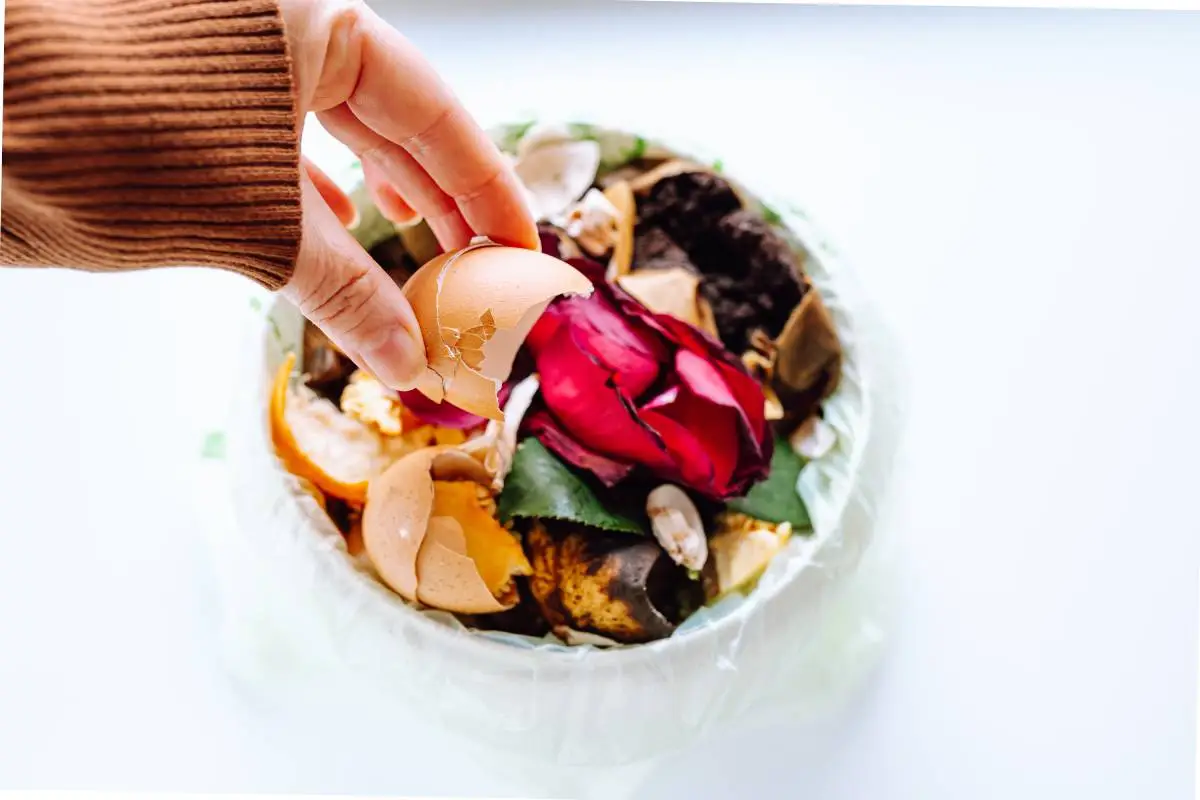
At its core, compost is a mixture of organic materials that have decomposed naturally over time. This decomposition process is driven by microorganisms such as bacteria and fungi, along with worms and insects that help break down waste into nutrient-rich humus — the dark, crumbly substance gardeners call “black gold.”
1. The Key Ingredients of Compost
A good compost pile balances two main components:
1.1 Greens (Nitrogen-rich materials)
These provide the nitrogen that fuels the microorganisms responsible for breaking down organic matter. “Greens” are typically moist and soft materials, including:
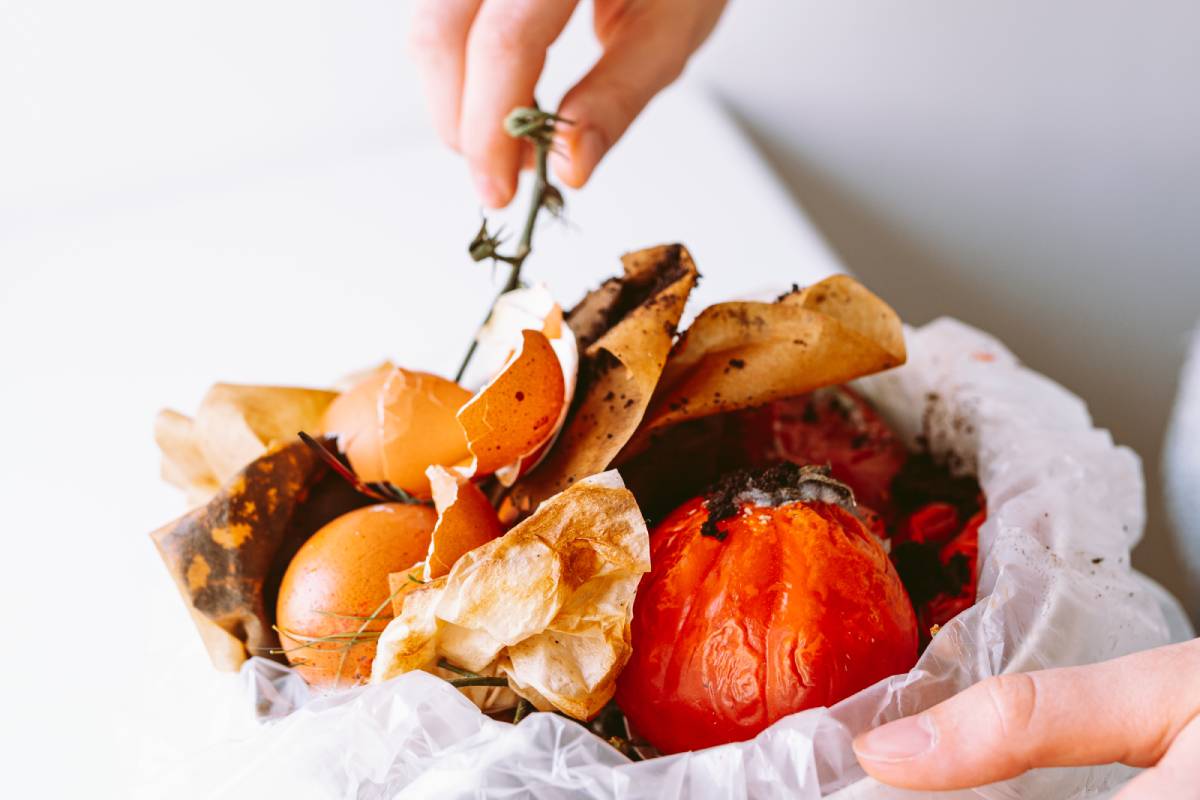
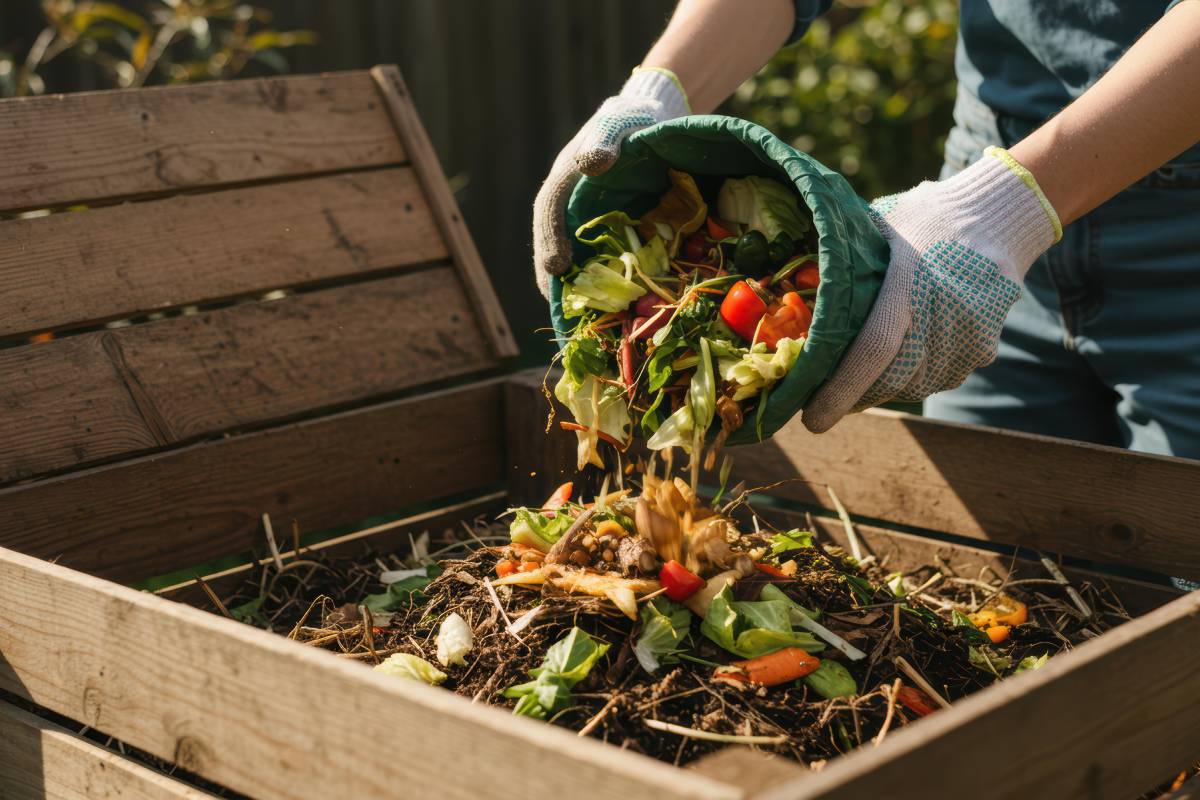
- Fruit and vegetable scraps
- Coffee grounds and tea leaves
- Fresh grass clippings
- Food leftovers (excluding meat, dairy, and oily foods)
1.2 Browns (Carbon-rich materials)
These balance out the moisture in the compost and provide carbon — an essential energy source for microorganisms. Examples include:
- Dry leaves and branches
- Sawdust and wood chips
- Shredded paper or cardboard
- Straw and dried plant stems
A healthy compost pile usually maintains a carbon-to-nitrogen ratio (C: N) of around 30:1, which means having roughly three parts “browns” for every one part “greens.”
2. Other Essential Elements
For compost to develop properly, it also needs:
- Water: Moisture helps microorganisms thrive, but too much water can suffocate them. The compost should feel like a wrung-out sponge.
- Air: Oxygen is vital for aerobic decomposition. Turning or mixing the compost regularly helps introduce air.
- Microorganisms: Naturally present in soil and organic waste, these are the invisible workers that do the actual decomposing.
When all these components are balanced, the composting process produces heat, breaks down waste, and eventually results in a dark, crumbly, earthy-smelling compost that’s ready to use.
Why Is Composting Important?
Composting is more than just a way to manage food waste — it’s an essential practice for improving soil health, reducing landfill waste, and mitigating environmental issues. Whether you’re an eco-conscious homeowner or a restaurant owner trying to manage organic waste responsibly, composting offers multiple benefits.
1. Reduces Landfill Waste
In Thailand, organic waste accounts for a significant portion of the total garbage produced daily — often exceeding 50% in many municipalities. When this organic material ends up in landfills, it decomposes without oxygen (anaerobically), producing methane, a potent greenhouse gas that contributes to global warming.
By composting instead, you prevent this waste from going to landfills, reduce methane emissions, and help the environment.
2. Improves Soil Health
Compost adds vital nutrients such as nitrogen, phosphorus, and potassium to the soil — the same elements found in chemical fertilisers but delivered in a natural, sustainable way.
Adding compost:
- Enhances soil structure, making it looser and easier for roots to grow.
- Improves water retention, reducing the need for frequent watering.
- Encourages beneficial microorganisms that suppress plant diseases.
Healthy soil equals healthier plants — and better yields for gardens, farms, and landscaping projects.
3. Reduces the Need for Chemical Fertilisers
Commercial fertilisers are effective but can damage the environment when overused. They often lead to nutrient runoff, which pollutes rivers and coastal waters. Composting offers a natural, slow-release source of nutrients that’s eco-friendly and safer for long-term soil health.
4. Saves Money
Instead of buying soil conditioners or synthetic fertilisers, you can create your own nutrient-rich compost from everyday kitchen waste. For households and businesses alike, this is an economical and sustainable alternative to waste disposal.
5. Supports a Circular Economy
Composting closes the loop in the food cycle. Instead of a “take, make, waste” model, it encourages a “make, use, return” cycle — where organic waste is returned to the earth to nourish new growth. It’s one of the most accessible ways to live sustainably and promote environmental responsibility.
6. Reduces Odours and Pests
When food scraps are properly composted rather than thrown into general rubbish bins, they decompose cleanly without attracting rodents or creating foul smells. Modern composting solutions, especially HASS Thailand’s electric composters, make this process even more hygienic and efficient — ideal for homes, hotels, restaurants, and offices in urban areas.
What to Do with Compost
Once your compost is ready — dark, crumbly, and smelling earthy — the next question is what to do with it. The good news? Compost has endless uses, from enriching your garden soil to supporting indoor plants.
1. Use It in the Garden
The most common use for compost is as a soil conditioner. Simply mix it into the top 10–15 cm of soil in your garden beds. This improves texture, boosts fertility, and supports plant growth.
Use compost to:
- Prepare garden beds before planting.
- Top-dress around established plants for a nutrient boost.
- Mix into potting soil for container plants.
2. Use It on Lawns
Spreading a thin layer of compost (around 1 cm) over your lawn can rejuvenate grass, improve soil aeration, and promote stronger roots. It’s especially helpful before or after lawn aeration.
3. Feed Potted Plants
Mixing compost with potting soil enhances drainage and nutrient content. A common blend is one part compost to three parts potting mix. Your indoor plants will thank you for the extra nutrients.
4. Use It as Mulch
Compost can also be used as a mulch layer around trees and shrubs. It helps retain moisture, suppresses weeds, and protects roots from temperature fluctuations.
5. Share or Sell It
If you produce more compost than you need, you can share it with neighbours, local community gardens, or small farms. Some urban composters even sell their surplus compost as a local organic soil enhancer.
Composting Made Easy with HASS Thailand
While traditional composting methods — like outdoor compost bins or piles — work well for those with experience, along with space and patience, they aren’t always practical for city dwellers. That’s where HASS Thailand’s electric composters come in.
1. What Makes HASS Composters Different
Unlike food dehydrators that merely dry out waste, HASS composters use advanced microbial and heat-assisted decomposition technology to turn organic waste into real compost — rich in nutrients and safe for plants.
With an electric composter from HASS, you can:
- Turn daily kitchen waste into compost within hours/days instead of months.
- Avoid unpleasant odours through automatic aeration and temperature control.
- Reduce waste volume by up to 90%, saving bin space and disposal costs.
- Contribute to a greener, cleaner lifestyle without the mess of traditional composting.
2. Perfect for Homes and Businesses
HASS composters are suitable for both household and commercial use — from families who cook daily to restaurants, hotels, and offices looking to manage food waste sustainably.
Instead of sending food scraps to a landfill, these electric composters allow you to convert waste into value right where it’s produced.
Tips for Making the Best Compost
If you’re starting your composting journey, here are a few simple tips to ensure the best results:
- Balance your materials. Always mix greens (like food scraps) with browns (like dry leaves or paper) to keep the compost from becoming too wet or smelly.
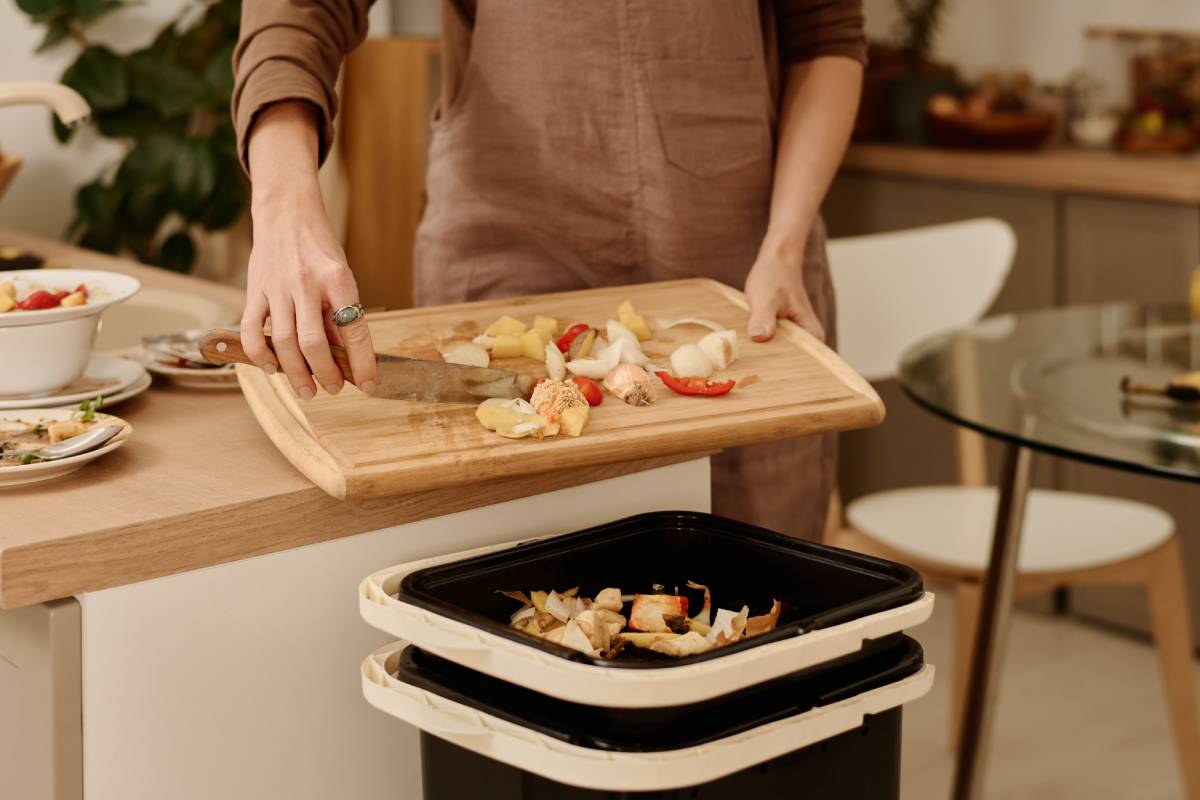
- Chop waste into smaller pieces. Smaller items break down faster and more evenly.
- Keep it aerated. Turn or stir your compost regularly to provide oxygen.
- Watch the moisture. Too dry? Add greens. Too wet? Add browns.
- Avoid certain items. Don’t add meat, bones, dairy, or oily foods — they attract pests and slow down decomposition.
- Be patient. Traditional composting isn’t easy and can take several months — but electric composters like HASS can speed up the process significantly.
Final Thoughts
Composting is one of the simplest yet most impactful actions we can take to reduce waste and care for our environment. It transforms food and garden scraps into valuable, nutrient-rich compost that nourishes plants, improves soil, and supports a sustainable future.
Whether you live in a small apartment or manage a busy restaurant, composting is accessible to everyone — especially with innovative technology like HASS Thailand’s electric composters, which make turning waste into organic gold quicker and cleaner than ever before.
By embracing composting, you’re not just disposing of waste — you’re taking an active step toward a cleaner, more sustainable world. If you’d like to be part of the movement to help the planet, contact HASS Thailand today for a free consultation about our electric food waste composters and discover how easy it is to turn your food waste into something truly valuable.