

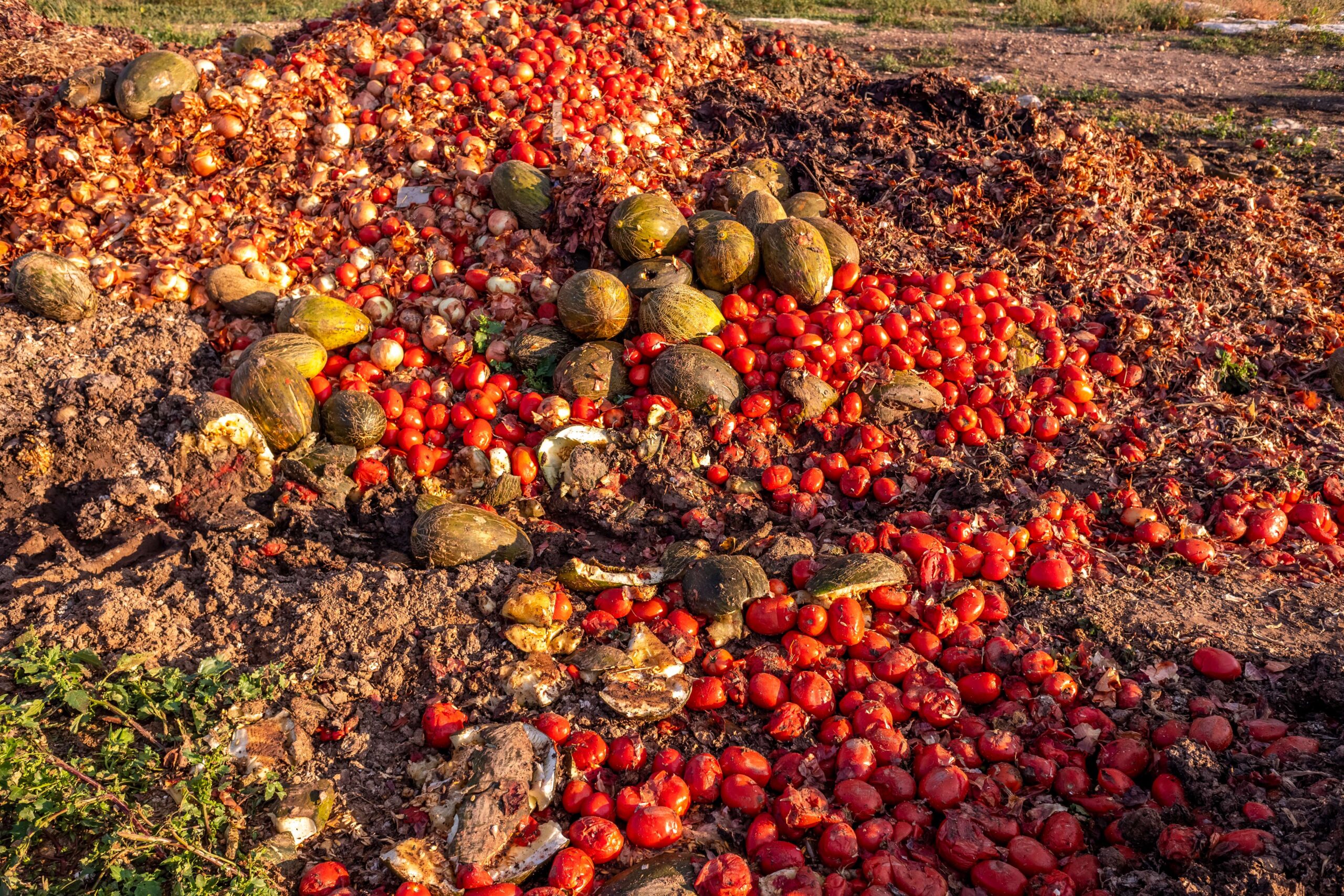
Food waste has become one of the world’s most pressing environmental and social challenges. Every day, perfectly edible food is thrown away while millions of people struggle with food insecurity. Beyond the ethical concerns, wasted food also wastes the water, energy, land, and labour used to produce it.
In Thailand, food waste is becoming an increasingly serious issue as urban populations grow, food delivery services expand, and consumption habits change. Understanding the scale of food waste in Thailand, and how it compares to other countries, can help households, businesses, and communities take meaningful action.
In this article, we’ll explore how much food Thailand wastes, which countries generate the most food waste, which countries perform best at reducing waste, and what practical solutions can help tackle the problem.
How Much Food Is Wasted in Thailand?
According to the United Nations Environment Programme (UNEP) Food Waste Index Report 2024, Thailand generates approximately 86 kilograms of food waste per person each year, which is higher than the current global average of 79 kilograms per person annually.
When multiplied across Thailand’s population, this amounts to millions of tonnes of food being discarded every year.
Research conducted by Thailand’s Food Waste Hub estimates that the country generates over 12 million tonnes of food waste annually, with households contributing the largest share of waste. Approximately 77% of Thailand’s food waste comes from household consumption alone.
Common sources of food waste in Thailand include:
- Leftover cooked meals
- Spoiled fruits and vegetables
- Food scraps from restaurants and hotels
- Expired food products
- Over-purchasing during grocery shopping
- Buffet and catering waste
- Food discarded by markets and retailers
The issue is particularly noticeable in urban centres such as Bangkok, where food waste makes up a significant proportion of municipal solid waste. Studies have found that food waste accounts for more than half of Bangkok’s waste stream.
Why Is Food Waste a Problem?
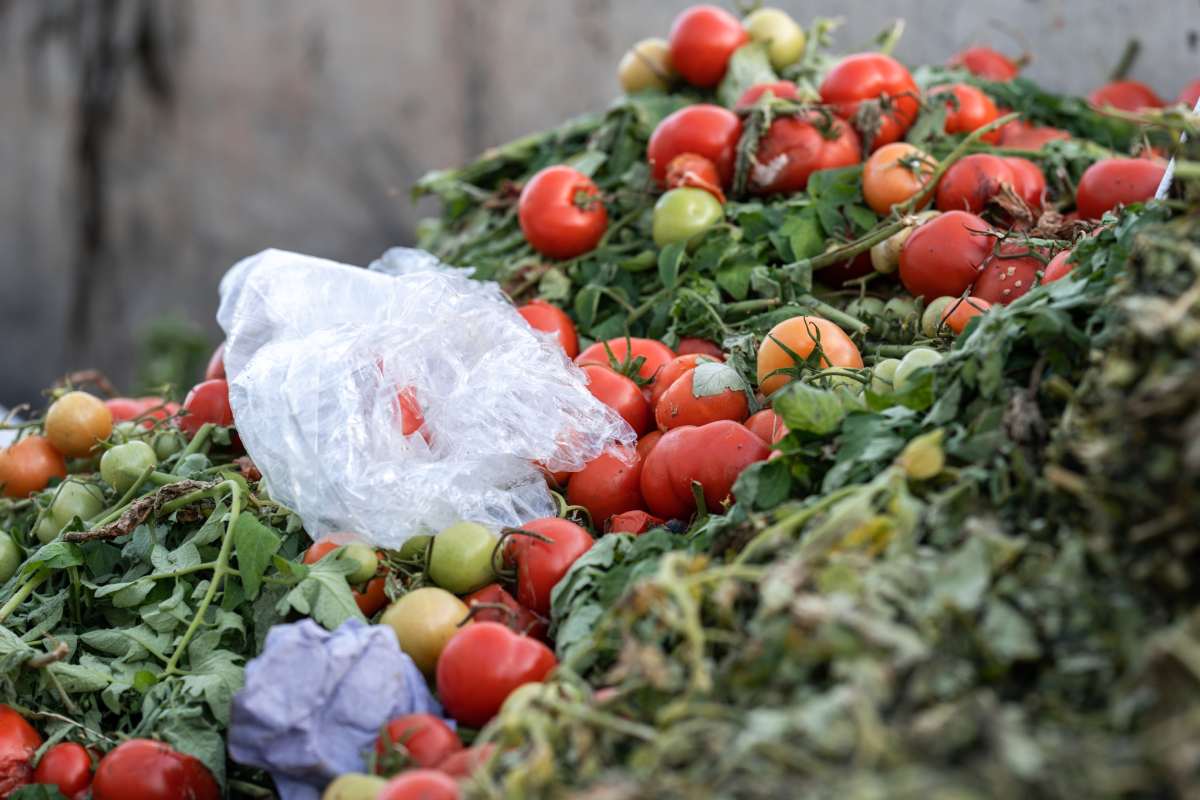
Many people assume that food simply decomposes and disappears. However, when food waste ends up in landfills, it creates a range of environmental problems.
1. Greenhouse Gas Emissions
Food waste produces methane as it decomposes in landfills. Methane is a greenhouse gas that is significantly more potent than carbon dioxide over a shorter time frame.
Globally, food loss and food waste are responsible for approximately 8–10% of greenhouse gas emissions.
2. Wasted Resources
Every piece of food requires resources to produce:
- Water for irrigation
- Energy for processing and transportation
- Agricultural land
- Fertilisers and labour
When food is discarded, all of these resources are effectively wasted as well.
3. Increased Landfill Pressure
Thailand’s growing cities are already facing challenges with waste management. Food waste occupies valuable landfill space and increases disposal costs for municipalities.
4. Food Security Concerns
Perhaps most importantly, food waste occurs while hunger remains a major global issue. UNEP estimates that 783 million people worldwide experience hunger, yet more than one billion meals are wasted every day.
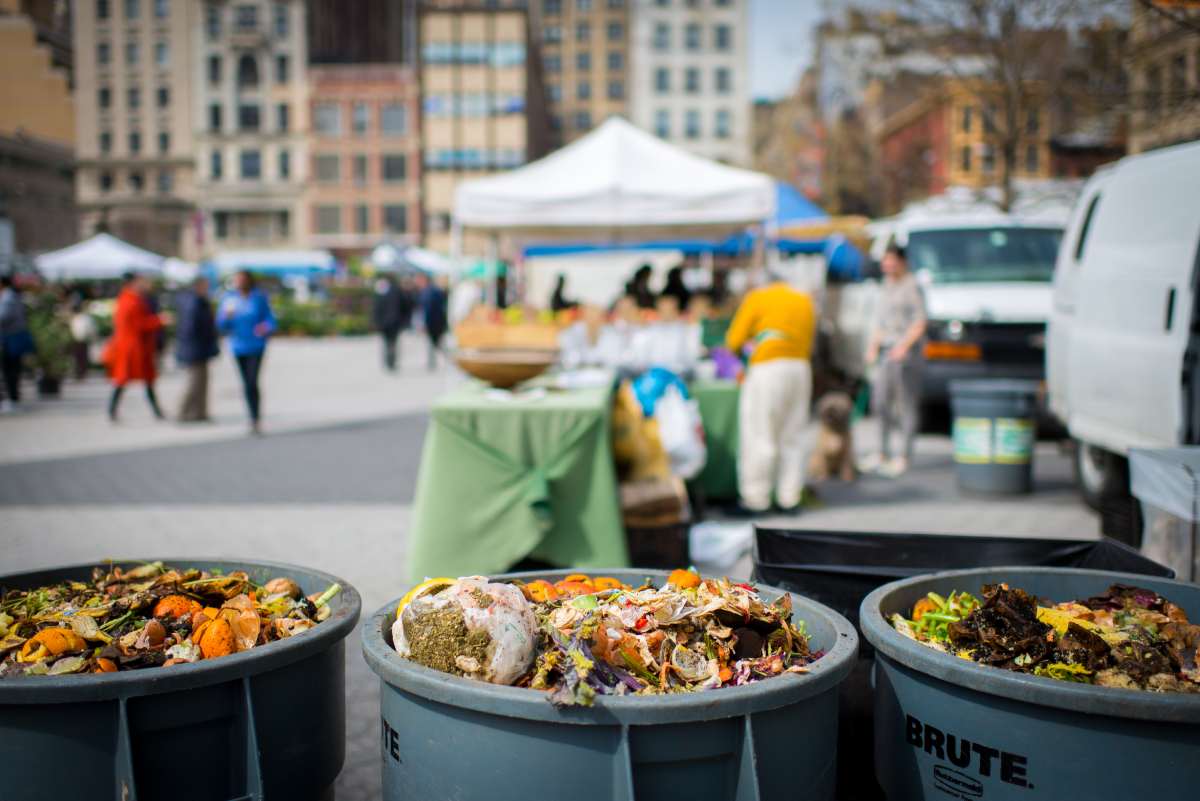
What Country Has the Biggest Food Waste?
The answer depends on whether we measure total food waste or food waste per person.
Countries with the Largest Total Food Waste
Countries with large populations naturally generate the highest total volumes of food waste.
Recent UNEP-based estimates show that some of the world’s largest food waste generators include:
- China
- India
- Pakistan
- Nigeria
- United States
- Brazil
- Egypt
- Indonesia
- Mexico
- Bangladesh
China generates over 100 million tonnes of food waste annually, making it the world’s largest food waste producer by volume. However, because of its enormous population, its per-person food waste is lower than that of some other countries.
Countries with the Highest Food Waste Per Person
When examining food waste on a per-capita basis, some countries perform considerably worse.
Several studies have identified countries such as:
- Egypt
- Nigeria
- Pakistan
- Australia
- Some Gulf nations
as having particularly high food waste per person due to a combination of consumer behaviour, climate conditions, storage limitations, and cultural factors.
Interestingly, UNEP’s latest findings suggest that food waste is not simply a problem in wealthy nations. Food waste occurs across all income levels and regions.
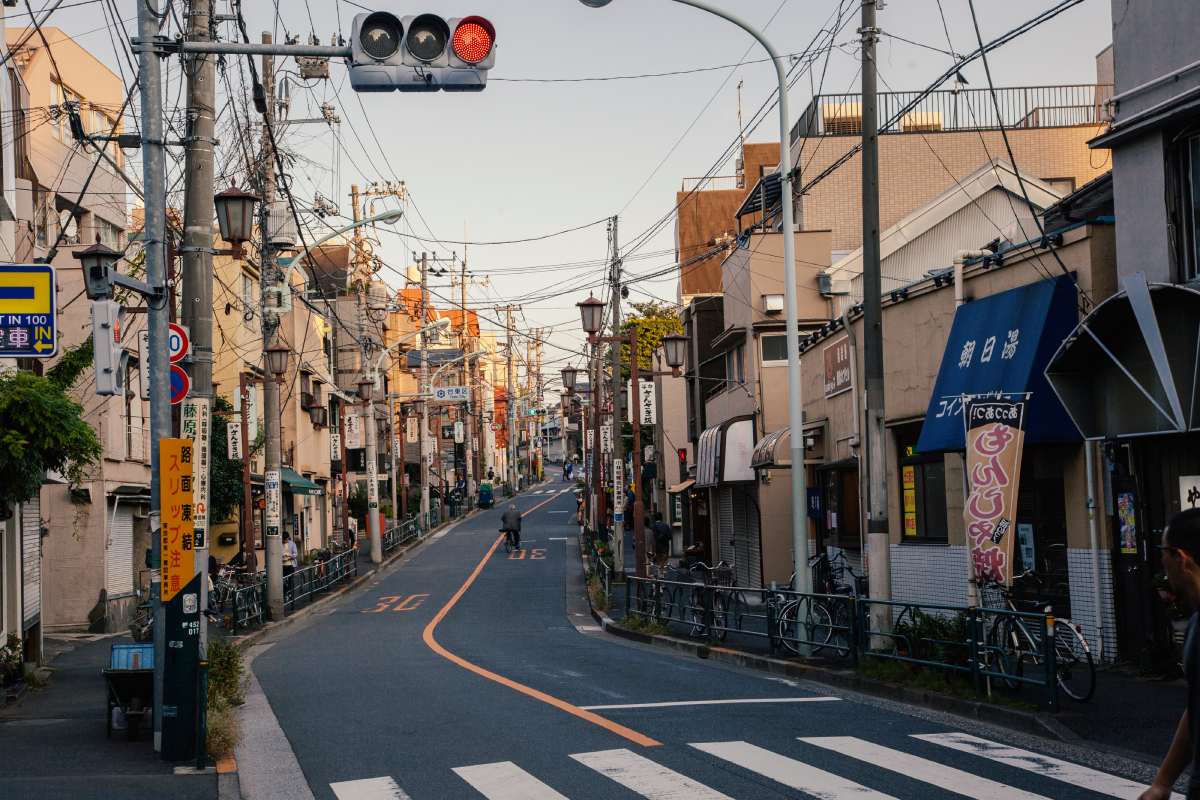
Which Country Wastes the Least Food?
Identifying the country with the absolute lowest food waste is difficult because data quality varies significantly between countries.
However, countries that consistently perform well in food waste reduction include:
Japan
Japan is widely recognised as a global leader in food waste management. The country has:
- Strong public awareness campaigns
- Efficient food supply chains
- Advanced waste separation systems
- Government food waste reduction targets
Japanese households generally waste less food than many developed nations due to cultural attitudes that emphasise respect for food and resource conservation.
South Korea
South Korea has introduced mandatory food waste separation and recycling systems. Households often pay disposal fees based on the amount of food waste they generate, creating a financial incentive to reduce waste.
Much of the collected food waste is converted into:
- Animal feed
- Compost
- Bioenergy
Denmark
Denmark has gained international attention for its successful food waste reduction initiatives, including educational campaigns and partnerships with supermarkets and food businesses.
These efforts have significantly reduced food waste across the country over the past decade.
Why Does Thailand Waste So Much Food?
Several factors contribute to Thailand’s food waste challenge.
Hot Climate
Thailand’s tropical climate causes food to spoil more quickly, especially when refrigeration is unavailable or inadequate.
UNEP research indicates that warmer countries often experience higher levels of food waste due to storage challenges and the consumption of highly perishable foods.
Large Food Portions
Restaurant portions, buffets, and social gatherings frequently result in excess food being discarded.
Food Delivery Culture
The rapid growth of food delivery platforms has made ordering food easier than ever. While convenient, it can also lead to over-ordering and increased leftovers.
Lack of Food Waste Separation
In many areas, food waste is mixed with general rubbish rather than being composted or processed separately.
Limited Awareness
Many consumers remain unaware of the environmental impact of throwing away edible food.
What Can Households Do to Reduce Food Waste?
Thailand has made progress in recognising food waste as a national sustainability challenge, but significant work remains.
As awareness grows, more households, businesses, and communities are exploring solutions such as:
- Better meal planning
- Food donation programs
- Food waste monitoring
- Composting systems
- Organic waste recycling
- Circular economy initiatives
Reducing food waste not only benefits the environment but also helps conserve resources, lowers waste management costs, and contributes to a more sustainable future.
Moving Forward: Turning Thai Food Waste into Organic Value
Thailand has set a national goal to reduce the proportion of food waste in municipal solid waste to less than 28% by 2030. Achieving this requires a combination of large-scale corporate responsibility and individual action at home.
While big supply chain fixes take time, everyday citizens and local businesses can make an immediate, massive impact right now by changing how they treat food leftovers. This is where modern decentralised waste management comes into play.
The Rise of In-Home and Commercial Food Composting
Instead of bagging food waste and sending it to rot in a Thai landfill, the most sustainable solution is to process it right at the source. Modern technology has evolved past the traditional backyard compost pile, which is often slow, messy, and prone to attracting pests, flies, and stray animals.
Using specialised microbial ecosystems, modern tools like the HASS Food Waste Composter allow households, condos, and businesses to change their relationship with organic waste entirely.
How the Technology Works
Rather than simply dehydrating or shredding food waste, advanced food composters use specialised, self-replicating microorganisms to rapidly digest organic materials.
- Drop and Go: You place food scraps, including leftovers, fruits, vegetables, and small bones, directly into the machine.
- Decomposition: The internal microbial environment works continuously, breaking down the structural composition of the waste within days.
- Zero Odour, Zero Pest: Equipped with advanced sterilisation systems like UV-C, ozone, and metal oxidation filters, these machines neutralise unpleasant odours entirely. This allows them to sit comfortably inside a modern Bangkok kitchen or on a condo balcony.
- The Ultimate Closed Loop: The final output is not waste, it is a nutrient-rich, 100% organic fertiliser packed with essential Nitrogen, Phosphorus, and Potassium (NPK). This fertiliser can go straight into home gardens, public parks, or urban farming initiatives.
By treating a food composter not as a trash can, but as a functional “external stomach” for your property, you eliminate household methane emissions entirely. You save money on trash bags, keep your living space smelling fresh, and actively contribute to restoring Thailand’s soil health.
Final Thoughts
Thailand currently wastes approximately 86 kilograms of food per person each year, placing it above the global average and highlighting a growing environmental challenge. While countries such as China and India generate the largest total volumes of food waste due to their population sizes, food waste is a global issue that affects nations at every income level.
Countries such as Japan, South Korea, and Denmark demonstrate that food waste can be significantly reduced through education, policy, and better waste management systems.
For Thailand, reducing food waste starts with individual actions. Whether it’s planning meals more carefully, using leftovers effectively, or composting unavoidable food scraps, every effort contributes to a more sustainable future.
What Can You Do Today?
- Shop Smart: Plan your meals, buy local, and avoid over-purchasing fresh produce.
- Understand Expiry Dates: Learn the difference between “Best Before” (quality standard) and “Expiry Date” (safety standard).
- Compost at the Source: Explore how a smart solution like the HASS Food Waste Composter can transform your kitchen scraps into valuable organic fertiliser overnight. Let’s protect our planet together!