




Food waste odours are a common concern when using a composter indoors. Understanding how a machine processes scraps and manages the resulting smells can help you use it correctly.
HASS has confirmed that both the HFC-250M and HFC-020K use Metal Oxidation for deodorisation. In the HFC-250M, the system also includes a UV-C lamp, ozone, a catalyst, and alumina balls within a closed system. Microorganisms break down the food scraps, while the deodorisation system manages the associated odours.
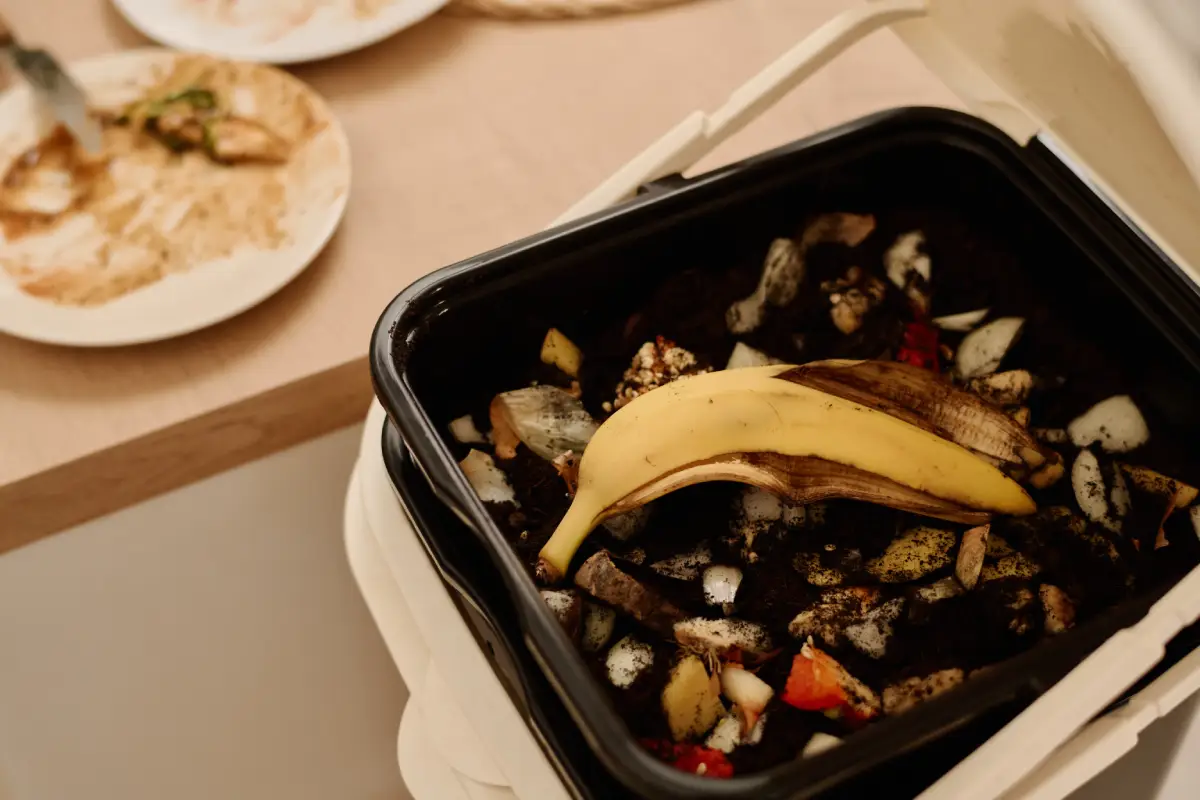
Why does food waste produce unpleasant smells?
As microorganisms break down food scraps, they can release compounds that we detect as odours. These include organic acids, amines and sulphur-containing gases. Ammonia can also contribute to composting smells.
When parts of the waste become short of oxygen, anaerobic decomposition can produce particularly unpleasant odours. Excess moisture can make this worse by filling air spaces and limiting how easily oxygen reaches the material.
Managing the conditions inside the composter helps reduce odour problems at their source. The deodorisation system then has a separate role in managing odours associated with operation.
Understanding Metal Oxidation and catalytic oxidation
Three terms need to be distinguished: metal oxidation in chemistry, catalytic oxidation as a treatment principle, and HASS’s use of “Metal Oxidation” in its product description.
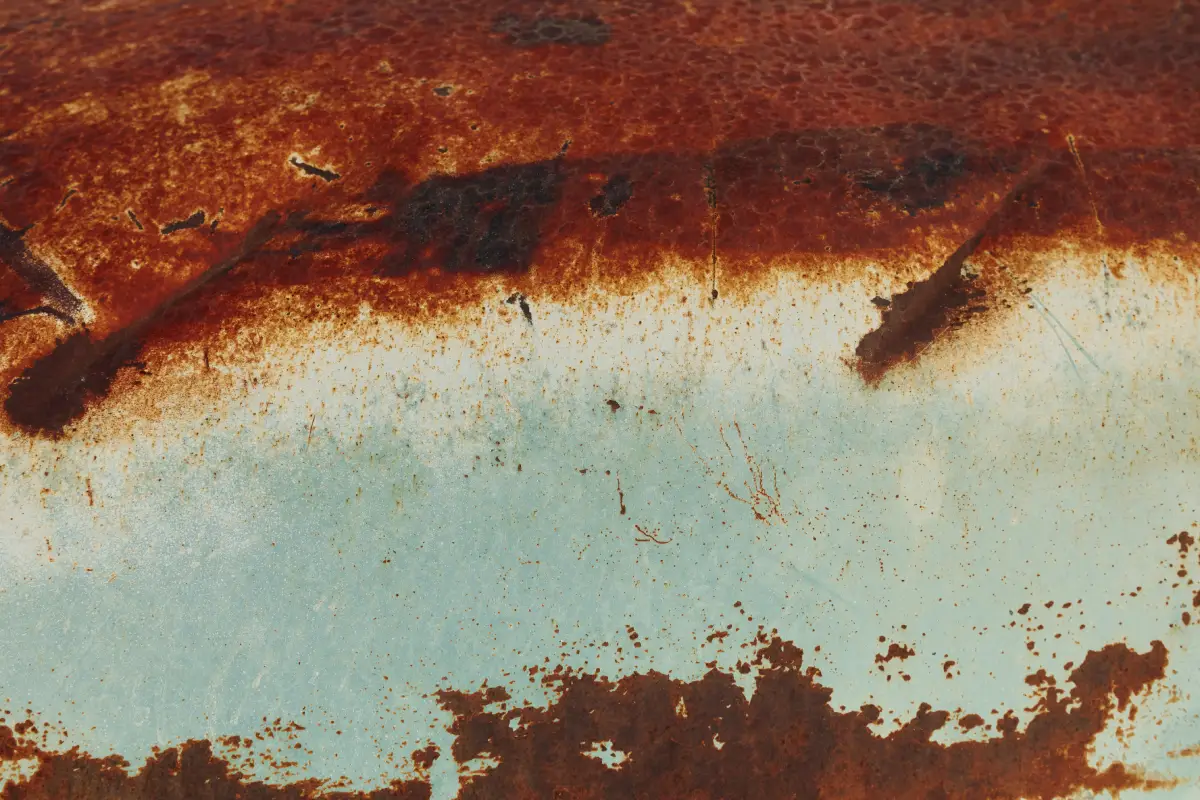
Metal oxidation in chemistry
Oxidation is a chemical change in which a substance loses electrons and its oxidation state increases. Metal oxidation means a metal undergoes that change. Reaction with oxygen is one familiar example, although oxidation does not always require oxygen.
This scientific definition alone does not explain the workings of a particular deodorisation system.
Catalytic oxidation as a general principle
Catalytic oxidation uses a catalyst to increase the rate of an oxidation reaction. Some treatment systems use metals or metal oxides as catalysts to help convert target compounds into different substances.
Performance depends on the catalyst, the compounds being treated, and operating conditions such as temperature and contact time. The reaction products also depend on the specific chemistry involved.
This is a general scientific principle, not a confirmed description of the reactions inside HASS equipment.
HASS’s use of Metal Oxidation
HASS identifies Metal Oxidation as one element of the complete deodorisation system in both the HFC-250M and HFC-020K. It should not automatically be treated as another name for catalytic oxidation.
HASS also confirms the presence of a catalyst. However, that fact alone does not establish the exact reaction mechanism, the compounds being converted, or the substances produced. Those details must come from the manufacturer’s technical information.
Understanding the complete HASS deodorisation system
For the HASS HFC-250M food waste composter, the confirmed system includes:
- A UV-C lamp
- Ozone
- Metal Oxidation
- A catalyst
- Alumina balls
These elements belong to the deodorisation system described by HASS. Their individual roles and interactions depend on the manufacturer’s design.
The catalyst and alumina balls should be identified separately. The presence of alumina balls does not establish that they are the active catalyst. Similarly, listing a UV-C lamp and ozone does not establish how ozone is generated in this particular system.
The component list describes what the system contains. The reactions and resulting substances are specific to HASS’s design and must be established through its technical documentation.
What the closed system means for use
HASS describes its deodorisation arrangement as a closed system. This description should not be interpreted as a claim that all air is recirculated, that the appliance has zero emissions, or that maintenance is unnecessary.
The HFC-250M instruction manual identifies an outlet for air after treatment. Owners should therefore follow the model’s installation guidance and keep its ventilation openings clear.
Decomposition and deodorisation have different jobs
Microorganisms in the composting chamber break down the food scraps. The deodorisation system manages odours associated with that process.
Metal Oxidation, the UV-C lamp, ozone, the catalyst, and alumina balls are described here as elements of odour control. They should not be presented as replacing microbial decomposition or as independently turning food scraps into compost.
Adding food scraps without overloading the machine
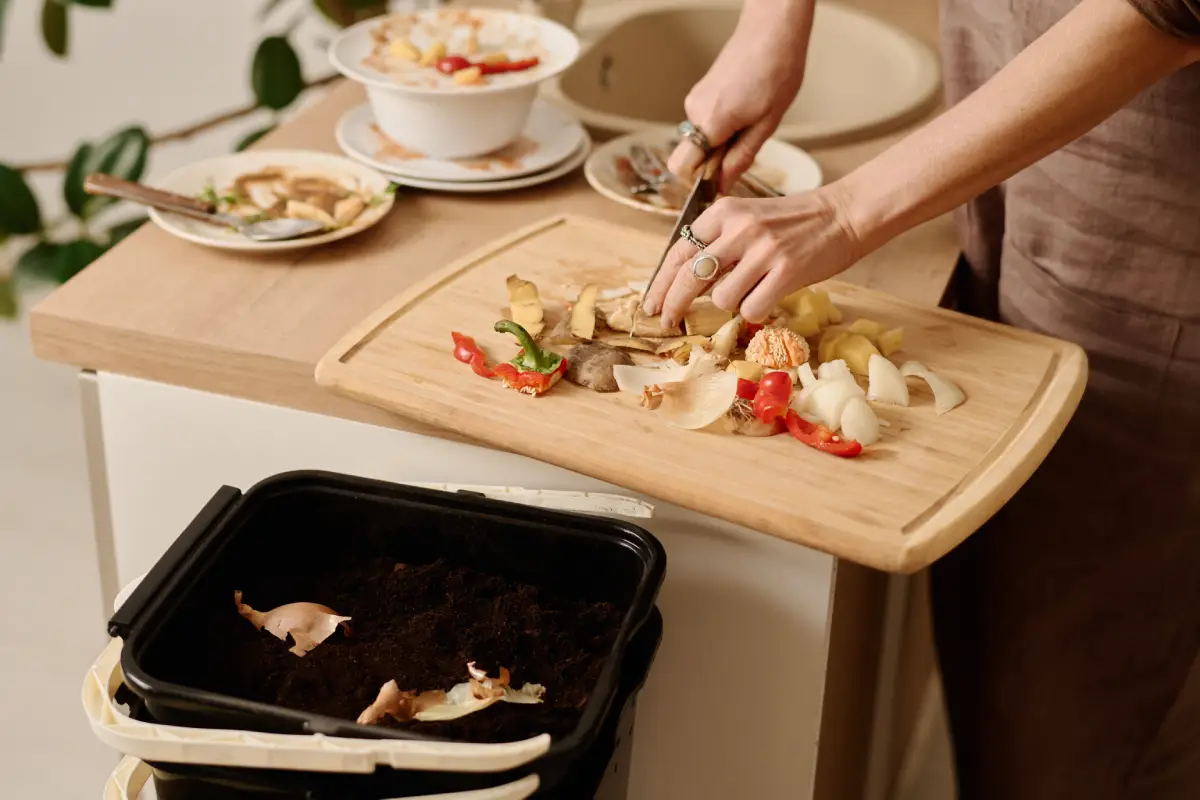
The HFC-250M manual states that food scraps can be added during normal use. You do not need to wait until every previous addition has completely decomposed before adding more.
Keep additions within the model’s stated daily capacity and monitor the condition of the material inside. If scraps are accumulating because the machine has been overloaded, reduce or temporarily pause additions according to HASS’s troubleshooting instructions. That recovery step is different from the normal feeding routine.
Drain excess liquid from scraps before loading and remove unsuitable items. HASS’s guide on draining water from food scraps before composting explains why controlling excess moisture matters.
Which parts can be washed?
The HFC-250M manual identifies the washable part as the removable air filter panel at the rear of the composting chamber, illustrated in the cleaning section on printed page 16. HASS’s maintenance guide also calls it the dust filter panel.
The instructions show the panel being lifted out, rinsed with water, and cleaned with a brush. The maintenance guide specifies allowing it to air-dry. Refit it according to the instructions supplied with your machine.
This cleaning guidance applies to that removable panel. It does not authorise washing the complete deodorisation assembly, UV-C lamp, catalyst or alumina balls. Follow HASS’s instructions for servicing those components.
Frequently asked questions
Does Metal Oxidation turn food waste into compost?
HASS identifies Metal Oxidation as part of odour control in both the HFC-250M and HFC-020K. In both models, microorganisms carry out the food waste decomposition.
Will the system eliminate every odour?
Odour control should not be understood as a guarantee that no smell will ever be noticeable. Food type, loading, moisture and the condition of the machine can affect the experience. Persistent or unusual odours should be checked against HASS’s troubleshooting guidance.
Is a closed deodorisation system maintenance-free?
No. The HFC-250M manual includes cleaning and servicing instructions. Owners should maintain the removable filter panel and follow HASS’s guidance for the other components.
To learn more about the deodorisation system in the HFC-250M or HFC-020K, speak with HASS Thailand for model-specific advice.