


Reducing food waste has become a priority for many households, especially as people become more aware of the environmental impact of sending organic waste to landfills. Kitchen scraps can quickly pile up, creating unpleasant odours and attracting pests if not handled properly.
When food waste ends up in a landfill, it decomposes without oxygen and produces methane, a greenhouse gas far more harmful than carbon dioxide. That’s why many people are now exploring composting as a more sustainable solution.
However, traditional composting isn’t always practical. It takes time, space, and ongoing effort. For those living in apartments or busy households, managing a compost pile outdoors is quite impossible.
This is where electric solutions come in, but here’s the important part:
There are actually 2 different types of electric machines on the market:
- Food waste dehydrators (the most common type)
- Food waste electric composters (microbial-based systems)
While both help reduce waste, they work very differently and produce completely different results. Understanding these differences is essential before deciding which system is right for your home.
Understanding Traditional Composting
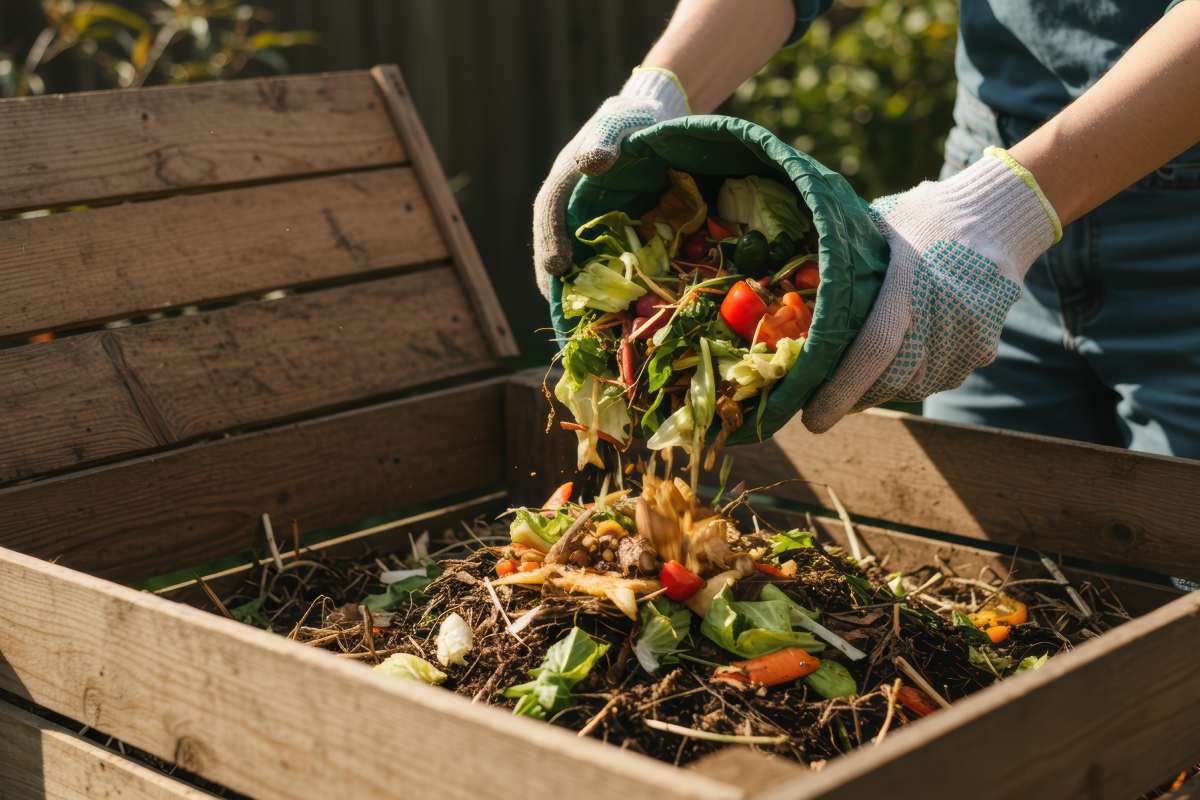
Traditional composting is a natural process that relies entirely on biology. It is an aerobic decomposition system, meaning it requires oxygen for microorganisms to break down organic matter.
Inside a compost pile, billions of bacteria, fungi, and other microorganisms work together to decompose food scraps and garden waste. To keep this system working efficiently, you need to maintain a proper balance between:
- Green materials (nitrogen-rich) such as fruit and vegetable scraps, coffee grounds, and grass clippings
- Brown materials (carbon-rich) such as dry leaves, cardboard, and paper
Moisture, airflow, and temperature also play a critical role. If any of these factors are off balance, the composting process can slow down or produce unpleasant smells.
One of the biggest drawbacks is time. Traditional composting typically takes anywhere from three months to a full year to produce finished compost.
However, the result is highly valuable. The final product—known as humus—is rich in nutrients and beneficial microbes. It improves soil structure, enhances water retention, and supports healthy plant growth.
The 2 Types of Electric Composting Machines
The term “electric composter” can be misleading because not all machines actually compost in the traditional sense.
Let’s break down the two main types so you can clearly understand how they differ.
1. Food Waste Dehydrators (Fast Processing Technology)
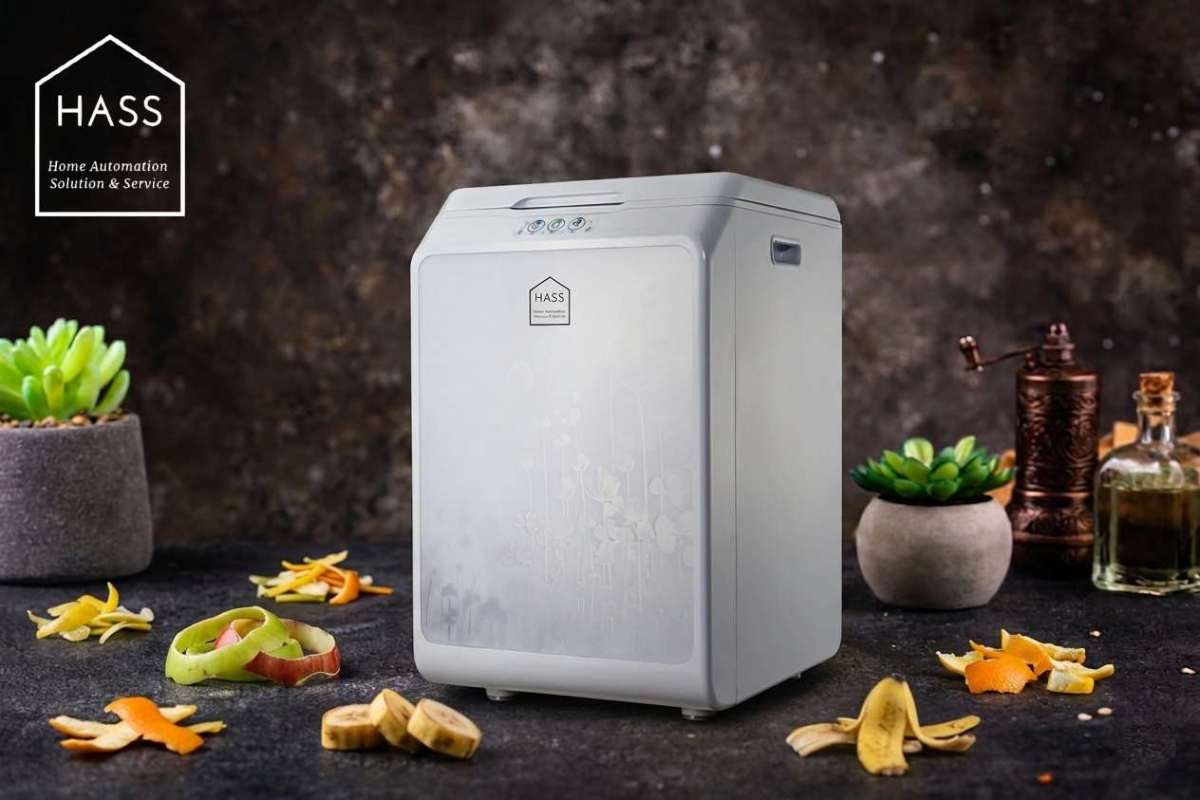
Food waste dehydrators are the most widely available and commonly used machines in homes today. They are often marketed as composters, but technically, they do not perform true composting.
Instead, they rely on mechanical and thermal processes to rapidly reduce food waste.
How they work
These machines operate in three main stages:
Phase 1: High Heat and Dehydration
The unit heats the internal chamber to high temperatures (often above 160°F / 70°C). This heat removes moisture from the food waste, significantly reducing its volume and weight.
Phase 2: Grinding and Pulverising
Once the waste is dried, internal blades grind it into a fine, crumb-like material. This gives it a soil-like appearance, although it is not biologically active.
Phase 3: Cooling and Odour Control
The machine cools the material and uses carbon filters to remove odours, making it suitable for indoor use.
Key benefits
- Extremely fast processing time (usually 4–8 hours)
- Convenient for indoor use
- Accepts a wide variety of food waste, including meat and dairy
- Eliminates odours effectively
Limitations
- Does not produce true compost
- Output is sterile and lacks beneficial microbes
- Requires electricity and ongoing maintenance
The final material is best described as a dry soil amendment, which still needs to break down further in the soil.
2. Food Waste Electric Composters (Microbial Systems)
Unlike dehydrators, true electric composters aim to replicate natural composting in a controlled environment.
These systems use:
- Microorganisms
- Controlled heat (lower than dehydrators)
- Aeration and mixing
to break down organic waste biologically.
How they work
Instead of drying the waste, these machines maintain conditions that allow microbes to thrive. This includes:
- Regulated temperature
- Consistent oxygen flow
- Proper moisture levels
The microorganisms actively digest the food waste, similar to what happens in a traditional compost pile, but in a more controlled and faster environment.
Key benefits
- Produces a more compost-like, biologically active output
- Faster than traditional composting
- Can be used indoors or in small outdoor spaces
- More environmentally balanced than dehydrators
Limitations
- Slower than dehydrators (typically 1–7 days)
- May require careful input balance
- Some systems need microbial starters or ongoing management
While not always producing fully finished compost immediately, the output is significantly closer to real compost and may only require minimal curing.
A Direct Comparison of the Three Methods
Understanding how these systems compare side-by-side can make your decision much easier.
| Feature | Food Waste Dehydrator | Electric Composter (Microbial) | Traditional Compost Bin |
| Processing Time | 4–8 hours | 1–7 days | 3–12 months |
| Process Type | Heat & dehydration | Biological + controlled | Natural decomposition |
| Final Output | Dry, sterile material | Compost-like material | Living compost |
| Energy Use | High | Moderate | None |
| Maintenance | Low | Moderate | High |
| Pest Risk | None | None | Moderate to high |
| Space Required | Very small | Small to medium | Large outdoor space |
Is the Output Really Compost?
This is one of the most important questions, and one of the most misunderstood.
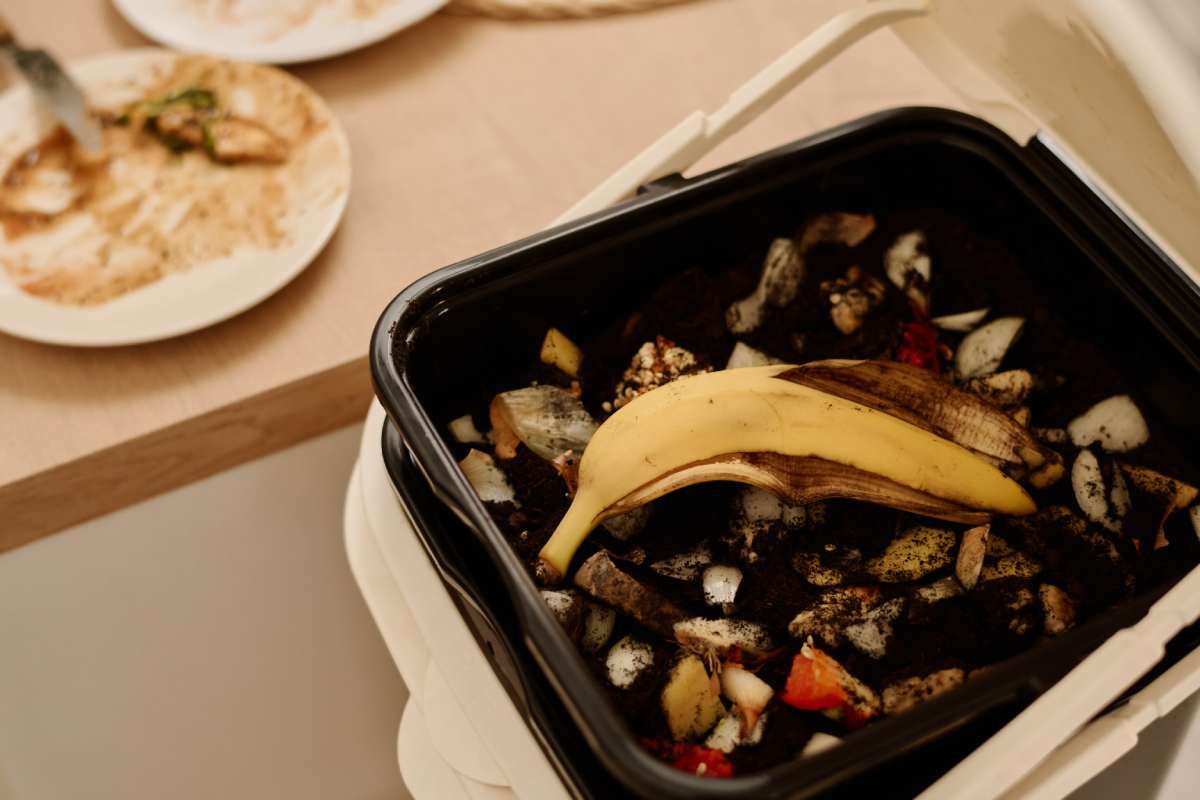
- Food waste dehydrators produce a dry, sterile material. It may look like compost, but it contains no living organisms. It needs to be mixed into soil where it can break down further over time.
- Food waste electric composters produce a biologically active material that is much closer to real compost. Some systems may still require a short curing period.
- Traditional compost is fully decomposed and rich in microbial life, making it immediately beneficial for soil and plants.
If your goal is to create high-quality compost for gardening, traditional or microbial systems are the better choice.
What Can You Put Inside Each System?
Different systems have different input limitations.
Traditional Compost Bins
- Best for fruit and vegetable scraps
- Requires careful balance
- Avoid meat, dairy, and oily foods
Food Waste Dehydrators
- Accepts almost all food waste
- Meat, dairy, cooked meals, and small bones are allowed
- Very flexible and user-friendly
Food Waste Electric Composters (Microbial)
- Can handle a wide range of food waste
- Works best with balanced inputs
- Less restrictive than traditional composting
This flexibility makes electric systems particularly attractive for modern households that produce mixed food waste.
The Financial Investment and Ongoing Costs
Traditional composting is the most affordable option. You can start with a simple bin or even a DIY setup at minimal cost as long as you have the space available.
Electric machines, on the other hand, require a higher initial investment.
- Food waste dehydrators: Moderate to high upfront cost, plus electricity and filter replacements
- Food waste electric composters: Higher upfront cost, but potentially lower ongoing energy use
While the cost may seem high initially, many households find the convenience and waste reduction benefits worthwhile.
Environmental Impact and Energy Use
From an environmental perspective, traditional composting is the most sustainable option. It requires no electricity and produces zero emissions during operation.
Electric machines do consume energy, but they still offer environmental benefits by reducing landfill waste.
- Dehydrators: Higher energy consumption due to heating
- Electric composters: More energy-efficient and biologically aligned
- Traditional composting: Lowest environmental impact overall
If paired with renewable energy sources like solar, electric systems can become even more sustainable.
Making the Right Choice for Your Lifestyle
Choosing the right system depends on your living situation and priorities.
- If you live in an apartment: a food waste dehydrator or electric composter is the most practical solution
- If you want speed and convenience: dehydrators are the fastest option
- If you want a more natural composting process: electric composters are the better choice
- If you have a garden and time: traditional composting provides the best long-term results
Each system serves a different purpose, and there’s no one-size-fits-all solution.
Conclusion
Electric composting technology has evolved significantly, but it’s important to understand what you’re actually getting.
- Food waste dehydrators offer speed and convenience, but do not create true compost
- Electric composters provide a more natural, biological process in a controlled environment
- Traditional composting remains the gold standard for producing nutrient-rich, living soil
By understanding these differences, you can make a more informed decision and choose a system that fits your lifestyle, space, and sustainability goals.
If you’re ready to reduce your food waste and explore the best solution for your home, let’s chat with HASS Thailand to find the right machine, whether you need fast waste reduction or a true composting system.