


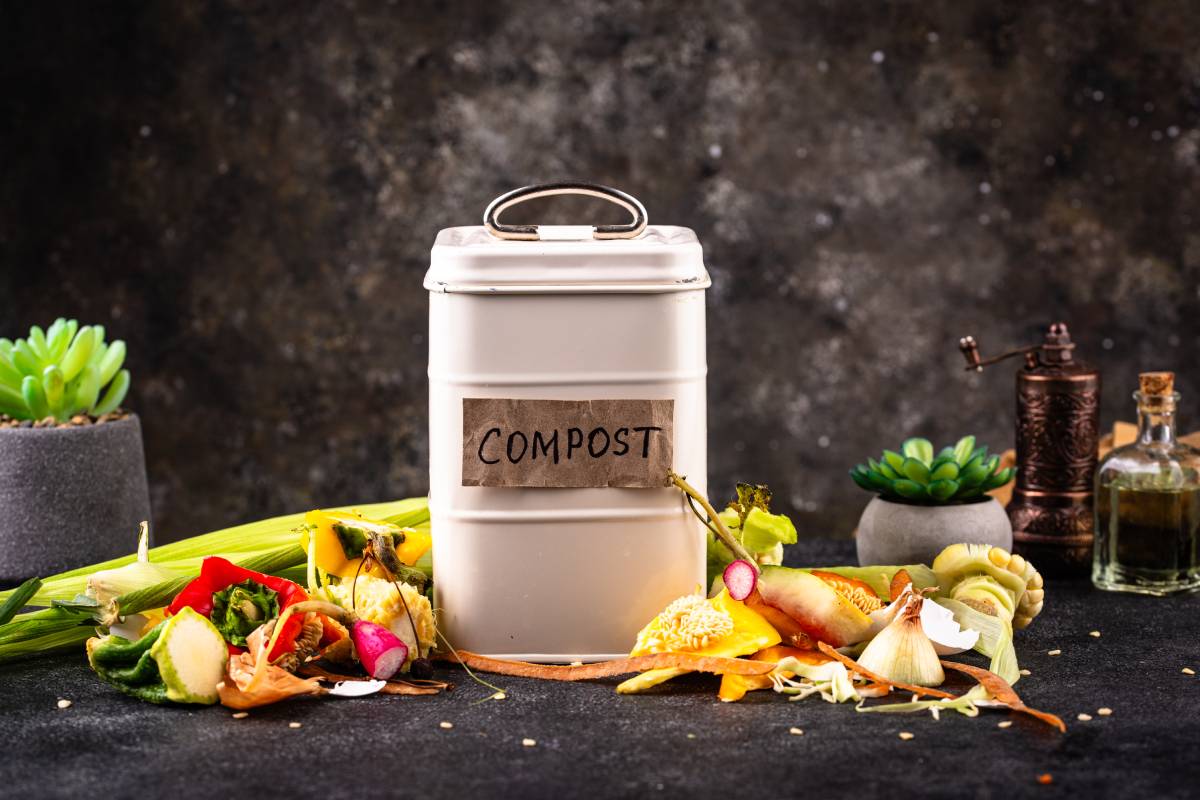
Compost is the foundation of healthy soil, thriving gardens, and sustainable food production. Yet so many gardeners — from first-timers to seasoned growers — still ask: What exactly makes the best homemade compost? What is the perfect compost mixture? And what are the four ingredients every compost pile must have?
At HASS Thailand, we’re passionate about helping gardeners, businesses, farms, and eco-enthusiasts unlock deeper soil health through better composting. In this comprehensive guide, you’ll learn everything you need to know to create rich, fertile homemade compost that will transform your plants, increase yields, and reduce waste — whether you’re in Bangkok, Chiang Mai, or growing tropical fruits in southern Thailand.
Why Homemade Compost Matters
Homemade compost is more than just decomposed scraps — it’s a living ecosystem. It feeds soil microbes, improves soil structure, regulates moisture, and returns nutrients back to the land.
Here’s why homemade compost is superior to store-bought alternatives:
- Cost-effective: Uses waste materials that would otherwise go to landfill.
- Customisable: You can tailor the nutrient content to your soil’s needs.
- Eco-friendly: Reduces greenhouse gas emissions associated with waste disposal.
- Soil health: Supports natural soil biology rather than relying on chemical fertilisers.
With the right ingredients and care, you can turn kitchen scraps, garden waste, and even agricultural residues into a gardener’s gold — rich, crumbly compost that plants love.
What Are the 4 Main Ingredients in Compost?
There’s a simple formula for successful composting, and it revolves around the four essential ingredients:
- Carbon (Browns)
- Nitrogen (Greens)
- Oxygen
- Water
Let’s unpack each one so you understand what they do and how to balance them for the perfect compost mix.
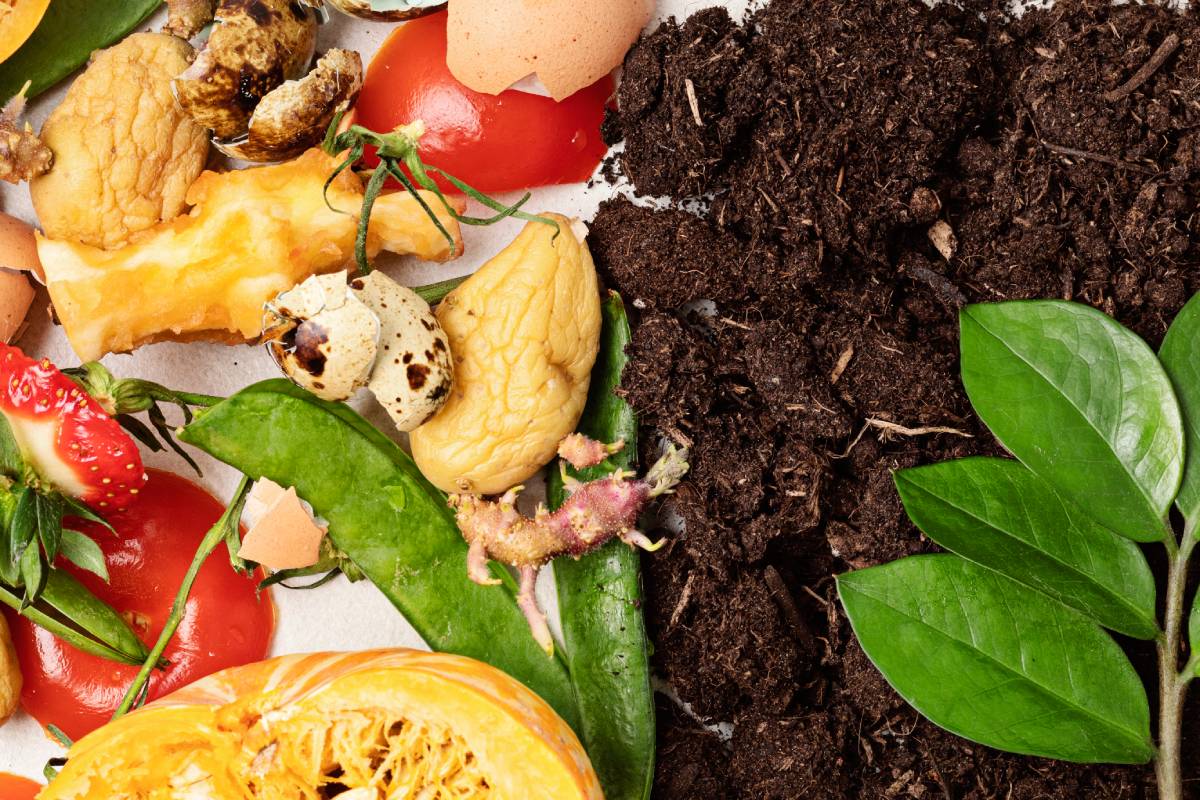
1. Carbon (Browns)
Carbon provides energy for the microbes that break down organic matter. These materials are typically dry, fibrous, and brown in colour.
Common Carbon Sources (“Browns”):
- Dry leaves
- Straw or hay
- Shredded cardboard and paper (non-glossy)
- Wood chips and sawdust
- Coconut husks and coir
- Corn stalks
Carbon helps create bulk and structure in the compost pile. Without enough carbon, your compost can become slimy, smelly, and dominated by anaerobic bacteria (those that thrive without oxygen).
Tip: Chop or shred carbon materials into smaller pieces — they’ll decompose faster and help maintain airflow.
2. Nitrogen (Greens)
Nitrogen fuels microbial growth — it’s what helps microbes multiply and break down carbon materials. Nitrogen-rich ingredients are typically moist and green.
Common Nitrogen Sources (“Greens”):
- Kitchen vegetable scraps
- Fruit wastes
- Fresh grass clippings
- Coffee grounds and tea leaves
- Green garden prunings
- Manure from herbivores (e.g., cows, goats, rabbits)
Nitrogen accelerates decomposition, but too much can cause your pile to heat up excessively, release ammonia, or generate bad odours.
3. Oxygen
Compost microbes prefer oxygen — they are aerobic. Providing sufficient airflow keeps them happy and productive.
How to Maintain Oxygen:
- Build your pile with layers to encourage air pockets
- Turn the pile regularly (every 1–2 weeks).
- Avoid overly compacting materials.
- Include bulky carbon sources (like twigs) to keep structure.
A well-aerated pile decomposes faster, cleaner, and without bad smells.
4. Water
Moisture is critical. Compost should be damp — like a wrung-out sponge — but not soggy.
Watering Guidelines:
- If the pile is too dry, decomposition slows or stops.
- If the pile is too wet, anaerobic conditions can take over, leading to odours and slower breakdown.
Water when needed, and cover your compost during heavy rain to avoid waterlogging.
What Is the Best Homemade Compost Mix Ratio?
There’s no one-size-fits-all answer, but experienced composters follow a simple rule of thumb:
Aim for a Carbon: Nitrogen (C:N) Ratio of about 25–30:1
This means roughly 25–30 parts carbon (“browns”) to 1 part nitrogen (“greens”) on a volume basis.
A Practical Guide to Compost Ratios
| Component | Purpose | Approximate Volume |
| Dry leaves, straw, cardboard | Carbon | 60% |
| Kitchen scraps, grass clippings | Nitrogen | 30% |
| Water & air | Microbial activity | 10% |
Think of it as layering your compost pile:
- A layer of carbon materials (e.g., dry leaves)
- A layer of nitrogen materials (e.g., vegetable scraps)
- Lightly moisten
- Repeat
Mix as you go, and avoid putting too many fresh greens together.
Step-by-Step: Building the Perfect Homemade Compost Pile
Let’s walk through the process from start to finish:
Step 1 — Choose Your Compost Site
Pick a shaded or partially shaded area with good drainage. Compost thrives when it’s protected from extreme sun and heavy rain.
Step 2 — Prepare a Base Layer
Start with coarse carbon materials:
- Twigs and woody stems
- Straw or corn stalks
This base helps with airflow and drainage.
Step 3 — Add Alternating Layers
Alternate between:
- Browns (Carbon)
- Greens (Nitrogen)
Aim for thin, even layers. Too thick, and the pile won’t heat evenly.
Step 4 — Water Each Layer
Lightly water each layer to maintain moisture — but don’t drench.
Step 5 — Monitor and Turn
Over the next few weeks:
- Turn the pile every 7–14 days.
- Monitor moisture.
- Adjust with water or extra carbon if needed.
A properly balanced pile will heat up to 55–70 °C — a sign that microbes are hard at work!
Step 6 — Know When It’s Ready
Compost is finished when:
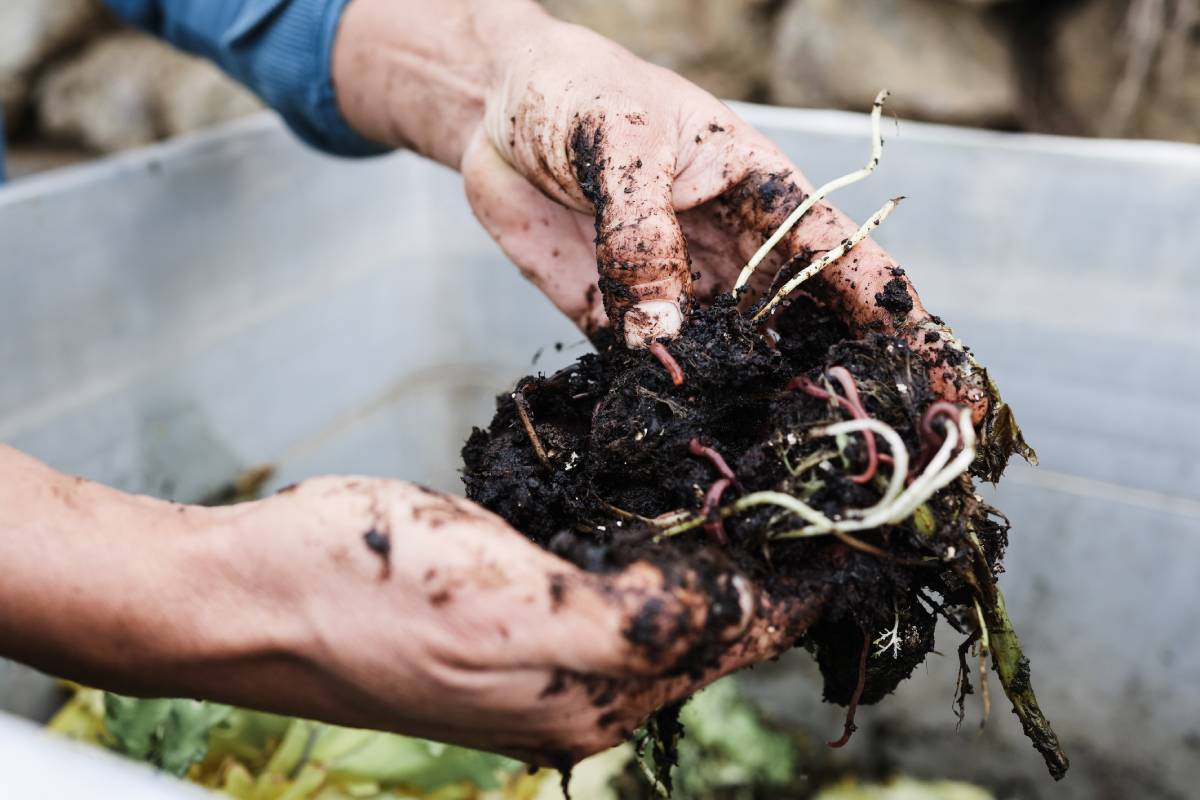
- It’s dark, crumbly, and earthy smelling
- Original materials are unrecognisable
- Temperature has cooled down
This usually takes 8–12 weeks in warm climates like Thailand — faster if you turn more frequently and keep the balance right.
Common Composting Mistakes (And How to Fix Them)
Too Smelly?
Cause: Too much nitrogen, too wet, or lack of oxygen.
Solution: Add more carbon, turn the pile for oxygen, and reduce watering.
Not Heating Up?
Cause: Too dry or too much carbon.
Solution: Add more greens and water, then turn.
Pile Is Damp and Sludgy
Cause: Too much water.
Solution: Add carbon (leaves, straw), turn to introduce air.
Fruit Flies and Pests
Cause: Exposed food scraps.
Solution: Bury greens under browns and cover your pile. Use bins with lids if needed.
Best Compost Additives to Supercharge Your Compost Pile
While the four key ingredients are essential, you can also add:
1. Soil or Finished Compost
Adding a shovel of good garden soil or mature compost introduces beneficial microorganisms that speed up decomposition.
2. Rock Dust
A natural mineral source that enriches micronutrients.
3. Eggshells
Crushed eggshells add calcium and help reduce acidity.
4. Biochar
Improves soil structure and nutrient retention once the compost is applied.
Composting in Thailand: Tropical Considerations
Because of Thailand’s warm, humid climate, composting can be faster and more efficient — but you also need to manage moisture and odour carefully:
- Rainfall: Heavy rains can make piles oversaturated — use covers or roofed areas.
- Heat: High temperatures speed decomposition — turn frequently to maintain oxygen.
- Local Materials: Thailand has abundant carbon sources like coconut husks, rice straw, and bagasse (sugarcane waste), which are excellent browns in compost.
Using locally available organic matter reduces waste and adds regional nutrients back to your soil.
Indoor & Small-Space Composting Options
For many people living in apartments, townhouses, or compact urban homes, traditional compost piles simply aren’t practical. Limited outdoor space, concerns about odour, pests, and time commitment often stop households from composting altogether. This is where electric food waste composters offer a modern, space-saving alternative.
Electric food waste composters are designed to process kitchen scraps quickly and cleanly. Using a combination of microbes, warmth, agitation, and airflow, they reduce food waste volume dramatically — often by up to 80–90% — in just hours or days.
Why Electric Composters Are Ideal for Small or Urban Spaces
Electric food waste composters are particularly well-suited to:
- Apartments and condominiums
- Townhouses with no garden
- Urban homes without space for compost piles
- Commercial kitchens, cafés, and offices
- Households wanting a low-effort composting solution
Unlike traditional composting, these systems are enclosed, meaning no exposed food scraps, no flies, and no unpleasant smells — a major benefit in dense living environments. They are also much easier to use when compared to a traditional compost pile, which can take years of experience to get the correct mixture.
What Goes Into an Electric Food Waste Composter?
Most electric composters can handle:
- Fruit and vegetable scraps
- Cooked food leftovers
- Coffee grounds and tea leaves
- Bread, rice, and pasta
- Small amounts of meat or fish (model dependent)
- Eggshells
Benefits of Electric Food Waste Composters
Electric composters offer several advantages over conventional composting methods:
- Fast processing – food waste is treated in hours or days, not weeks or months
- Odour-free operation – ideal for indoor use
- No pests – fully sealed systems prevent insects and rodents
- Space-efficient – perfect for kitchens and small utility areas
- Reduced landfill waste – significantly cuts household food waste
- Low effort – no turning, layering, or balancing ratios
For busy households or urban residents, this convenience often makes the difference between composting consistently or not at all.
Electric Composters vs Traditional Composting
It’s important to understand that electric composters don’t replace natural composting entirely — they complement it.
Traditional composting:
- Builds living microbial ecosystems
- Produces biologically rich compost over time
- Requires experience, space, time, and management
Electric food waste composters:
- Sustained microbial ecosystem
- Rapidly reduce and stabilise food waste
- Are ideal for indoor, small-scale use
Many households successfully use both — processing daily food waste with an electric composter, then adding the output to garden beds, compost piles, or soil later.
At HASS Thailand, we see electric composters as part of a broader composting ecosystem — helping households, businesses, and communities reduce organic waste while moving closer to circular, soil-first solutions.
How to Use Your Finished Compost
Once your compost is ready, it’s time to put it to work!
In the Garden
- Mix into planting beds to improve soil texture and fertility.
- Top-dress around vegetables and fruit trees.
In Pots and Containers
Use compost as part of potting mixes (up to 30–40%) for improved moisture retention and nutrients.
Mulching
Spread around plants to suppress weeds and conserve moisture.
Compost isn’t just a fertiliser — it’s a complete soil builder.
Why HASS Thailand
At HASS Thailand, we believe that healthy soil is the foundation of resilient agriculture, vibrant gardens, and sustainable living. That’s why we support practices like composting that:
- Reduce waste
- Build soil fertility naturally
- Improve water retention (crucial in dry seasons)
- Lower dependency on chemical fertilisers
Whether you are a home gardener, a smallholder farmer, or a commercial grower, understanding compost and how to make it well will transform your soil’s productivity.
Conclusion: Your Perfect Compost Awaits
The best homemade compost isn’t about perfection — it’s about balance. By understanding and applying:
- The four core ingredients — carbon, nitrogen, oxygen, and water
- The ideal compost ratios
- The right layering and turning practices
- And by avoiding common mistakes
…you’ll create nutrient-rich compost that supports lush gardens and healthy soils.
Ready to take your composting further? Visit HASS Thailand for expert advice, tips on composting tools, and sustainable gardening resources tailored to Thailand’s climate and growers.