

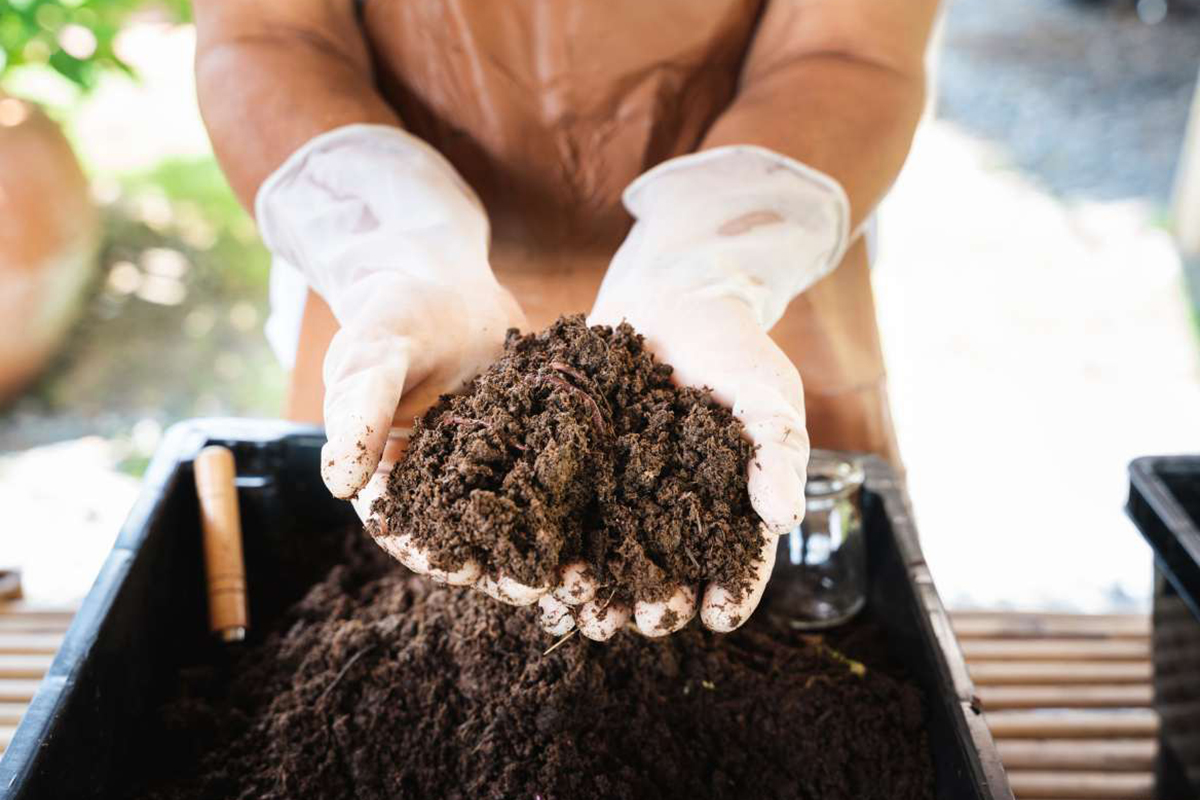
As global agriculture faces increasing pressure to produce more food with fewer environmental impacts, the conversation around sustainable fertilisers has intensified. One solution gaining strong momentum is the use of organic fertiliser derived from food waste composters. With millions of tonnes of food waste generated annually, transforming this material into a valuable agricultural input presents a compelling opportunity, not just for waste reduction, but also for improving soil health and farm productivity.
But the key question remains: is organic fertiliser from food waste processors truly viable for agriculture?
The answer is not a simple yes or no. Instead, it depends on a combination of scientific, economic, environmental, and practical factors.
In this article, we explore the full picture, benefits, challenges, and future potential to help farmers, agribusinesses, and sustainability-focused organisations make informed decisions.
Understanding Food Waste–Derived Organic Fertiliser
Food waste–based fertiliser is created by processing organic waste such as fruit and vegetable scraps, leftovers, and agricultural by-products into nutrient-rich materials. This can be achieved through several methods, including:
- Composting
- Anaerobic digestion
- Fermentation
- Advanced microbial processing
These processes break down organic matter into forms that can be applied to soil, returning nutrients like nitrogen (N), phosphorus (P), and potassium (K) back into the agricultural cycle.
Food waste is naturally rich in organic matter and nutrients, making it a valuable resource. However, its composition can vary widely depending on the source, which introduces both opportunities and challenges.
The Case for Viability: Key Benefits
1. Closing the Loop with a Circular Economy
One of the strongest arguments for food waste fertiliser is its role in the circular economy. Instead of sending organic waste to a landfill, where it generates methane emissions, it is repurposed into a productive agricultural input.
This approach:
- Reduces landfill waste
- Cuts greenhouse gas emissions
- Recovers valuable nutrients
Research highlights that converting food waste into fertiliser supports sustainable agriculture while improving resource efficiency.
2. Improved Soil Health
Unlike synthetic fertilisers, organic fertilisers contribute to long-term soil quality. They:
- Increase soil organic matter
- Improve water retention
- Enhance soil structure
- Support beneficial microbial activity
Studies show that organic amendments derived from waste can significantly improve soil health and fertility, leading to better crop resilience over time.
This is particularly important in regions with degraded soils or intensive farming systems where chemical inputs have reduced soil vitality.
3. Sustainable Nutrient Supply
Food waste contains essential plant nutrients, including nitrogen, phosphorus, and micronutrients. These nutrients are released more slowly than synthetic fertilisers, providing a controlled nutrient supply.
While this slow-release nature can be a limitation in some cases, it also:
- Reduces nutrient leaching
- Minimises environmental pollution
- Improves nutrient-use efficiency over time
This makes food waste fertiliser particularly suitable for long-term soil conditioning and sustainable farming systems.
4. Reduced Dependence on Chemical Fertilisers
The overuse of synthetic fertilisers has led to several issues:
- Soil degradation
- Water pollution (eutrophication)
- Increased production costs
- High energy consumption in manufacturing
Organic fertilisers from food waste offer a viable alternative or complement, helping farmers reduce reliance on chemical inputs while maintaining productivity.
5. Cost and Waste Management Benefits
For municipalities, food processors, and commercial facilities, converting waste into fertiliser can:
- Reduce waste disposal costs
- Create new revenue streams
- Improve sustainability credentials
For farmers, locally produced organic fertiliser can sometimes be more affordable than imported chemical fertilisers, especially in regions facing supply chain disruptions.
The Challenges: What Limits Viability?
While the benefits are significant, there are several barriers that must be addressed before widespread adoption.
1. Inconsistent Nutrient Composition
One of the biggest challenges is variability. Food waste is not uniform, and its nutrient content can fluctuate based on:
- Source (household, commercial, industrial)
- Type of food waste
- Processing method
This inconsistency makes it difficult to standardise fertiliser products and predict crop outcomes.
2. Nutrient Availability and Timing
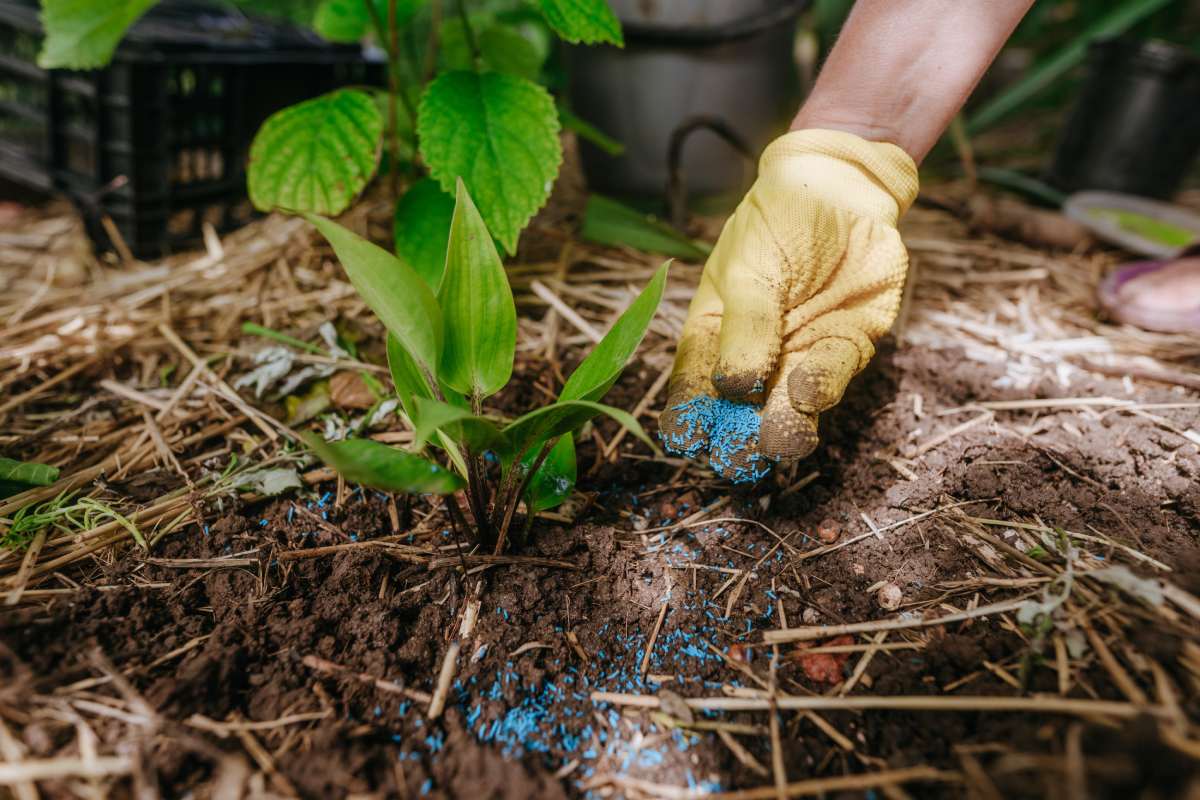
Unlike synthetic fertilisers, nutrients in organic fertilisers are often in complex forms that require microbial breakdown before plants can absorb them.
This leads to:
- Delayed nutrient availability
- Potential mismatch with crop demand
Farmers must carefully manage application timing and integrate organic fertilisers into broader nutrient management plans.
3. Pathogens and Contamination Risks
Food waste, especially when it includes meat or dairy, can contain:
- Pathogens
- Heavy metals
- Chemical residues
Proper processing (e.g., high-temperature composting or controlled digestion) is essential to ensure safety. Without it, there is a risk of contaminating soil and crops.
4. Scalability and Commercial Feasibility
Many food waste fertiliser technologies are still in:
- Pilot stages
- Small-scale operations
Limited large-scale field data is demonstrating long-term performance, which creates uncertainty for commercial agriculture.
Scaling up requires:
- Investment in infrastructure
- Reliable supply chains for waste collection
- Regulatory frameworks
5. Storage and Shelf Life
Organic fertilisers, especially liquid forms, can have shorter shelf lives and require proper storage conditions. This can complicate logistics for farmers and distributors.
Comparing Organic vs Synthetic Fertilisers
To better understand viability, it’s helpful to compare food waste–derived fertilisers with conventional options:
| Factor | Organic (Food Waste) | Synthetic Fertiliser |
| Nutrient Release | Slow, controlled | fast |
| Soil Health | Improves long-term | Can degrade over time |
| Environmental Impact | Low | Higher (pollution, emissions) |
| Consistency | Variable | Highly consistent |
| Cost | Potentially lower (local) | Often higher, volatile |
| Application Timing | Requires planning | Immediate effect |
The takeaway: organic fertilisers are not a direct replacement, but a complementary solution.
Real-World Applications and Success Stories
Recent research and innovations demonstrate that food waste fertilisers are not just theoretical; they are already being used successfully.
- Bio-organic fertilisers derived from agricultural waste have been shown to improve crop growth and soil quality, even under challenging conditions like saline soils.
- Emerging technologies such as microbial processing and anaerobic digestion are enhancing nutrient availability and product consistency.
- Innovative systems like insect-based processing (e.g., Black Soldier Fly) can convert waste into fertiliser while reducing pathogens and producing additional by-products like animal feed.
These developments indicate strong future potential, particularly when integrated into broader agricultural systems.
Is It Viable for Thailand and Southeast Asia?
In regions like Thailand, the case for food waste fertiliser is especially compelling:
- High volumes of organic waste from households and tourism
- Strong agricultural sector
- Increasing interest in sustainable and organic farming
However, success depends on:
- Access to reliable food waste processing technology
- Farmer education and training
- Government support and regulation
Localised solutions, such as on-site food waste composters, can play a crucial role in bridging the gap between waste generation and agricultural use.
The Future Outlook
The future of food waste–derived fertiliser looks promising, but it will require continued innovation and collaboration.
Key trends to watch include:
- Improved processing technologies for consistency and safety
- Integration with smart farming systems
- Policy incentives for circular economy practices
- Increased demand for organic and sustainable produce
As research progresses and infrastructure improves, the viability of these fertilisers will only strengthen.
Final Verdict: Is It Viable?
Yes, with conditions.
Organic fertiliser from food waste processors is a viable and increasingly important solution for sustainable agriculture. It offers clear environmental and soil health benefits, and it aligns perfectly with global efforts toward circular economy systems.
However, it is not a one-size-fits-all solution. Its success depends on:
- Proper processing and quality control
- Integration with existing farming practices
- Continued technological and regulatory development
For farmers and agribusinesses willing to adapt, it represents a powerful tool for the future of agriculture.
Bringing It All Together
For businesses and organisations exploring sustainable waste solutions, adopting advanced food waste processing systems can unlock significant value, not just in waste reduction, but in agricultural productivity.
At HASS Thailand, innovative food waste composters are designed to transform organic waste into usable fertiliser efficiently and safely. By embracing these technologies, farms, hotels, and food-related businesses can contribute to a cleaner environment while supporting sustainable agriculture.
Final Thought
Turning food waste into fertiliser isn’t just viable, it’s a smart, forward-thinking approach to agriculture. The real question is no longer if it works, but how quickly we can scale it to meet the demands of a changing world.
For businesses, farms, hotels, and food-related operations, this shift represents a real opportunity, not just to reduce waste, but to create value from it. By investing in the right food waste processing solutions, you can take control of your organic waste, lower disposal costs, and contribute directly to more sustainable agricultural practices.
If you’re ready to explore how this can work for your operation, now is the time to act. Reach out to HASS Thailand today to learn how our food waste composters can help you turn everyday waste into a practical, nutrient-rich fertiliser solution.
Whether you’re looking to improve sustainability, reduce costs, or support circular agriculture, our team can guide you toward the right system for your needs.